Why Home Elevators Are the Key to Increasing Property Value & Accessibility
May 18, 2026
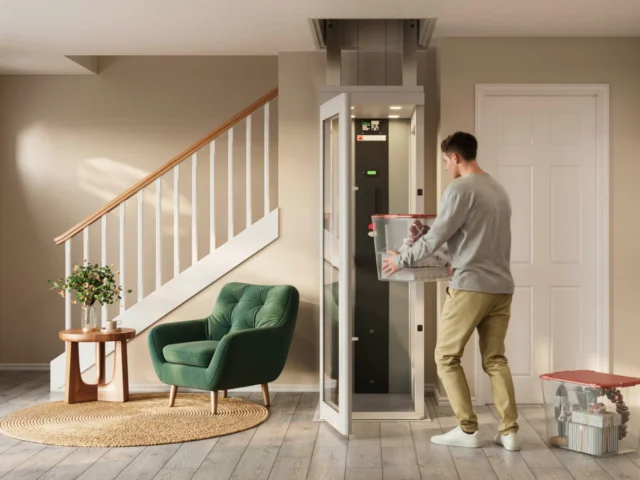
Residential elevators have evolved far beyond luxury status symbols. Today, they are increasingly viewed as practical investments that improve safety, accessibility, convenience, and long-term property value.
As more homeowners plan to age in place and prioritize future-ready living, residential elevators are becoming a sought-after feature in both new construction and retrofit projects. Modern elevator technology—especially compact, shaftless systems—has made installation more achievable for existing homes, including bungalows and multi-story dwellings.
At Pollock Residential Elevators, homeowners gain access to compact, thoughtfully engineered home lift solutions designed to support accessibility while blending seamlessly into the home environment. Whether you’re improving mobility, preparing for long-term living, or increasing resale appeal, a residential elevator can provide measurable advantages.
What Is a Residential Elevator?
A residential elevator is a compact lift system designed to provide safe, barrier-free movement between floors within a home. Modern home elevators can support users of all ages and mobility levels, while also improving everyday convenience.
Unlike older commercial-style systems, many modern residential elevators are designed specifically for retrofit applications and smaller footprints. Shaftless residential elevators, in particular, have become increasingly popular because they require minimal structural changes and can often be installed within existing homes more efficiently.
Residential elevators have shifted from a luxury novelty to a measurable value driver in both new construction and retrofit markets.
How Elevators Enhance Property Value
One of the most common homeowner questions is simple: Do elevators actually increase home value? In many cases, the answer is yes.
Industry studies and market analyses suggest that homes with residential elevators may see property value increases ranging from approximately 10% to 15%, with some luxury or accessibility-focused markets reporting even higher gains.
A residential elevator can enhance value by:
- Expanding buyer appeal
- Improving long-term livability
- Increasing perceived luxury and convenience
- Supporting aging-in-place functionality
- Reducing future renovation concerns
- Improving accessibility for multi-generational households
Modern elevators can also help homeowners maximize the usability of upper floors, making the entire property more functional and attractive to future buyers.
Estimated Property Value Impact
| Home Feature | Potential Buyer Appeal | Estimated Value Impact |
| Traditional Multi-Story Home | Standard | Baseline |
| Home With Residential Elevator | Expanded accessibility and convenience | +10–15% potential increase |
| Luxury Market Home With Elevator | High-end buyer appeal | Up to 25% in select markets |
While results vary by region, home type, and installation quality, elevators are increasingly recognized as desirable home upgrades with strong resale influence.
Expanding Buyer Appeal With Home Elevators
Residential elevators can significantly widen the pool of potential buyers.
A home equipped with an elevator may appeal to:
- Older adults planning to age in place
- Buyers with mobility limitations
- Multi-generational families
- Caregivers supporting loved ones
- Luxury home buyers
- Families planning for long-term accessibility
This broader appeal can help homes stand out in competitive markets and may contribute to faster sales and stronger offers.
Universal Design Matters
Home elevators also align with the principles of universal design—creating spaces that are comfortable, safe, and usable for people of all ages and abilities.
As accessibility becomes a greater priority for homeowners, features like residential elevators are no longer viewed as niche additions. They are increasingly seen as practical upgrades that improve quality of life for everyone in the household.
Accessibility and Aging in Place Benefits
Accessibility is one of the biggest drivers behind the growing demand for residential elevators.
By 2030, approximately 1 in 5 Americans will be 65 or older, increasing the demand for homes that support long-term independent living.
For many homeowners, stairs can become one of the greatest barriers to remaining safely in the home they love. Residential elevators help reduce stair-related fall risks while improving confidence and independence.
Key Accessibility Benefits
- Safer movement between floors
- Reduced risk of falls
- Easier navigation for wheelchair or mobility aid users
- Simplified transport of groceries, laundry, luggage, and everyday items
- Greater comfort during injury recovery or temporary mobility limitations
- Long-term aging-in-place support
For homeowners thinking ahead, accessibility upgrades can be one of the most meaningful investments they make.
Can a Shaftless Residential Elevator Be Installed in an Existing Home?
Yes—many shaftless residential elevators can be installed in existing homes, including bungalows and multi-story dwellings.
A shaftless elevator is a space-saving lift that travels through a simple floor or ceiling opening without requiring a traditional enclosed shaft. This makes it especially appealing for retrofit projects where space is limited.
Pollock’s through-floor residential elevator systems are designed to work within a wide variety of home layouts while minimizing disruption and preserving valuable living space.
Why Shaftless Elevators Are Popular
- Compact footprint
- Reduced construction requirements
- Faster installation timelines
- Cleaner integration into existing homes
- Ideal for retrofit applications
- Suitable for many bungalow and two-story layouts
In many cases, modern shaftless lifts require less floor space than a traditional stairwell.
Residential Elevator Installation Process
Every home is different, which is why professional assessment is essential. Below, is a brief outline of what you can expect during an installation, but for a more in-depth idea, we’ve written a blog: What is the Installation Process of a Residential Elevator?
Typical Installation Steps
1. Home Evaluation
A certified dealer assesses the home’s structure, layout, and available space.
2. Feasibility Planning
The installation location, travel distance, and customization options are reviewed.
3. Permitting and Code Compliance
Local building requirements and safety regulations are addressed.
4. Installation
The elevator system is installed and tested for operation and safety.
5. Final Walkthrough
The homeowner receives operational guidance and maintenance recommendations.
Working with experienced residential elevator professionals helps ensure the installation supports both long-term performance and resale value.
Design, Space Efficiency, and Modern Elevator Technology
Today’s residential elevators are dramatically different from the bulky systems of the past.
Modern elevator technology allows homeowners to integrate accessibility solutions without sacrificing aesthetics or large amounts of floor space.
Pollock’s shaftless elevator systems are designed to provide:
- Compact through-floor operation
- Space-saving layouts
- Smooth and whisper-quiet travel
- Modern styling options
- Enhanced energy efficiency
- Simplified installation requirements
Popular Modern Elevator Features
- Machine-room-less elevator systems
- Glass cab options
- Energy-saving technology
- Battery backup systems
- Smart diagnostics
- Whisper-quiet operation
- Soft-start and soft-stop functionality
- Modern lighting and controls
These innovations help homeowners balance accessibility with contemporary design preferences.
Balancing Installation Costs and Long-Term Value
Residential elevator costs vary depending on factors like:
- Home structure
- Number of floors
- Elevator type
- Customization options
- Installation complexity
Industry estimates typically place residential elevator supply and installation costs between $20,000 and $80,000+.
While the upfront investment can feel significant, many homeowners view the long-term value as worthwhile due to:
- Increased property value
- Improved accessibility
- Expanded buyer appeal
- Greater safety
- Reduced future renovation needs
- Improved daily convenience
Some market analyses report absolute property value increases in the tens of thousands of dollars after elevator installation.
For homeowners considering installation, it may be helpful to consult both a certified elevator dealer and a local real estate professional to better understand regional resale potential.
Maintenance, Safety, and Long-Term Reliability
A well-maintained residential elevator can remain a valuable home asset for decades.
Modern systems are designed with safety, reliability, and longevity in mind.
Important Residential Elevator Safety Features
- Battery backup operation
- Emergency lowering systems
- Obstruction sensors
- Self-check diagnostic systems
- Emergency communication options
- Soft-stop technology
- Code-compliant safety systems
Routine maintenance helps:
- Preserve performance
- Improve energy efficiency
- Extend system lifespan
- Reduce long-term repair costs
- Maintain resale appeal
Simple Maintenance Checklist
- Schedule annual professional inspections
- Test backup systems regularly
- Keep tracks and components clean
- Monitor unusual noises or movement changes
- Review manufacturer maintenance recommendations
With proper care, a residential elevator can continue adding value, convenience, and peace of mind for many years.
Frequently Asked Questions
Do elevators actually increase home value?
Yes. Installing a residential elevator can increase property value by expanding buyer appeal and improving accessibility, convenience, and long-term usability.
How much value can a residential elevator add to my home?
Many estimates suggest value increases of approximately 10% to 15%, though some luxury or accessibility-focused markets may see even greater gains.
Can a shaftless elevator be installed in an existing bungalow?
In many cases, yes. Shaftless residential elevators are specifically designed for retrofit-friendly installation and can often fit within existing bungalow layouts after a professional structural assessment.
Will installing a home elevator affect resale potential?
Generally, yes. Homes with elevators often appeal to a broader range of buyers and may sell more competitively due to improved accessibility and convenience.
What are the main benefits of home elevators beyond accessibility?
In addition to accessibility, home elevators offer convenience, safety, easier transportation of daily items, aging-in-place support, and improved use of all living spaces within the home.
Future-Proofing Your Home With Pollock Residential Elevators
Residential elevators are no longer reserved for luxury estates or custom mansions. Today, they are practical, space-conscious solutions that support safer living, long-term independence, and stronger property appeal.
For homeowners looking to future-proof their homes while improving accessibility and everyday comfort, modern shaftless residential elevators offer a compelling solution.
Are you ready to learn more? Contact a certified elevator dealer today to schedule a free consultation!
Interested in Becoming a Distributor?
If you are looking to expand your product offerings or trying to reach a new market, then the Pollock Residential Elevator could be perfect for you. Reach out to our team to learn more.