Why More Multigenerational Living Families Are Choosing Home Elevators
December 12, 2025

Multigenerational living is no longer a niche lifestyle—it’s quickly becoming the new normal across the United States. More families are choosing to live together across generations, combining households in ways that support connection, financial stability, and long-term independence.
This shift is driven by a mix of practical and emotional reasons: Rising housing costs, longer life expectancy, childcare needs, and a growing desire for families to stay connected. Rather than seeing this trend as a compromise, many families view multigenerational living as an opportunity—to live together, not because they have to, but because it works.
Of course, living with aging parents, young children, or both can raise valid concerns—especially around mobility, safety, and independence for seniors. That’s where thoughtful home design choices, like residential elevators, can make all the difference.
Multigenerational Living Is On the Rise
Multigenerational households are growing rapidly across the U.S., and the data tells a clear story:
- More than 60 million Americans live in homes with at least two generations
- The number of multigenerational households has quadrupled over the last 50 years
- Households with three or more generations now make up 4.7% of U.S. homes, up from 3.7% in 2020
- The number of Americans living in three-plus-generation households has nearly quadrupled in the past decade
- From 2011 to 2021, this group increased by 272%
As families adapt to economic realities and evolving caregiving needs, multigenerational living continues to gain momentum—and homes are evolving right along with it.
Benefits of Multigenerational Living (General)
Living across generations offers meaningful advantages for families of all ages, including:
- Shared expenses, helping older adults save for retirement while supporting younger generations with housing or childcare
- Longer survival rates for healthy individuals living in two-generation households compared to those living alone
- Stronger family bonds through daily connection and shared routines
- Improved mental and physical health
- A greater sense of community, support, and quality time together
Rather than fragmenting family life, multigenerational living often strengthens it.
Benefits of Multigenerational Living (Seniors)
For older adults, multigenerational living can be especially impactful:
- Reduced social isolation, one of the most significant challenges of aging
- Easier access to support, services, and family care
- The ability to maintain functional independence longer
- Greater opportunity to remain active and engaged within the community
When seniors are supported—but not restricted—everyone benefits.
Accessibility and “Aging in Place”
A major advantage of multigenerational living is the ability to age in place safely and comfortably.
With the right accessibility features in place, multigenerational homes can:
- Promote greater independence as family members age
- Reduce fall risk compared to stair-dependent layouts
- Avoid many of the hazards associated with temporary mobility solutions
- Support wheelchair use, when elevators are properly sized and designed
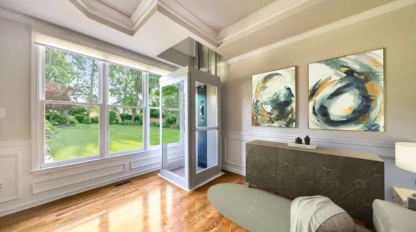
Accessibility doesn’t have to feel clinical—it can be seamlessly integrated into everyday living.
Elevators Are an Excellent Way to Make Multigenerational Living Successful
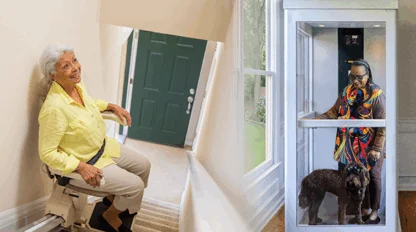
One of the most effective ways to support multigenerational living is by installing a home elevator. Unlike single-purpose mobility aids, elevators are inherently multi-use, making them ideal for households with diverse needs.
Home elevators:
- Accommodate multiple people and everyday items
- Reduce or eliminate the risk of stair use
- Are often more convenient than stairlifts
- Save space compared to long ramps
- Are pet- and kid-friendly
They support everyone in the home—not just one generation.
Super Convenient and Multi-Use
Home elevators do far more than move people between floors. In a busy multigenerational household, they’re a daily convenience tool.
They’re commonly used for:
- Laundry
- Groceries
- Luggage
- Strollers and child-care needs
- Moving heavy or awkward items around the home
That versatility is what makes elevators such a practical solution for shared living spaces.
Elevators Are Kid-Friendly
For families with young children, home elevators can improve safety and ease of movement.
They allow caregivers to:
- Travel between floors while holding a baby or toddler
- Reduce the risk of stair-related injuries
- Navigate the home more easily than with other accessibility options
When designed properly, residential elevators are intuitive, safe, and easy for families to use.
Future-Proof Your Home
Installing a home elevator is a proactive investment in long-term living.
Today’s midlife parents are tomorrow’s seniors—and planning ahead makes aging in place far more achievable. A residential elevator helps ensure your home can adapt to changing mobility needs without disruptive renovations later.
Potentially Increase Property Value
In addition to lifestyle benefits, a home elevator may also enhance your home’s marketability. Depending on the design and layout, elevators can:
- Appeal to a broader range of buyers
- Differentiate your home in competitive markets
- Support long-term property value
It’s an investment that delivers both practical and financial returns.
Conclusion
Multigenerational living is reshaping how families think about home design—and residential elevators are playing a key role in making it successful. By supporting safety, independence, accessibility, and convenience, elevators help families live together comfortably across generations.
Ready to plan for the future?
Please consult with a trained professional from Pollock to better understand your mobility needs and discover how a residential elevator can help you age in place with confidence.
Interested in Becoming a Distributor?
If you are looking to expand your product offerings or trying to reach a new market, then the Pollock Residential Elevator could be perfect for you. Reach out to our team to learn more.