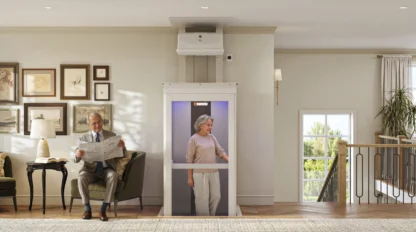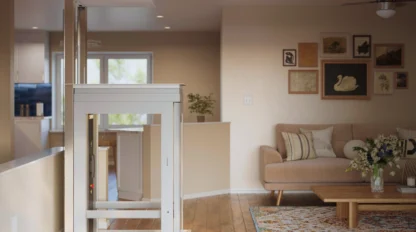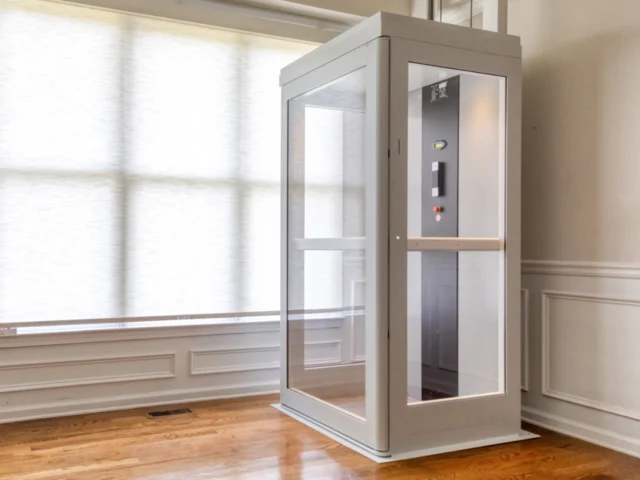
A home elevator isn’t just a convenience – it’s a long-term investment in independence, safety, and quality of life. For many families, it’s the key to aging in place with confidence, reducing fall risks, and staying connected to every level of the home without hesitation.
Modern residential elevators are designed with comfort and reliability in mind. Smooth starts and stops, intuitive controls, and thoughtful safety features make daily use effortless. And when installed by experts like certified Pollock Residential Elevator installers, that reliability starts from day one.
But here’s the part many homeowners don’t expect: Maintaining your home elevator is far easier (and less stressful) than you might think.
With professional support, routine service becomes a simple, predictable process handled by trained technicians. No guesswork. No DIY headaches. Just dependable performance year after year.
Are Home Elevators Safe?
To put it simply, yes.
Modern residential elevators are designed to havemultiple layers of safety built in. When properly installed and maintained, they are one of the safest ways to travel between floors in your home.
Key safety features often include:
- Obstruction sensors that stop the lift if something is detected under or above the cabin
- Emergency stop buttons and alarm systems
- Battery backup systems for power outages to keep you moving
- Smooth acceleration and braking systems
- Door interlocks to prevent movement unless doors are secure
Additionally, residential elevators must meet strict safety codes and standards. Regular professional maintenance ensures all these systems remain fully functional so you can trust that your lift will be there for you for many years.
Common Types of Issues
Even the most reliable systems can occasionally need attention. The good news? Most issues are minor – and easy to address by a professional when caught early. So, if something sounds or feels off, make sure you contact your elevator dealer to schedule a service appointment (even if you think it might be silly – better to be safe than sorry!).
Here are a few common ones to watch for:
1. Unusual noises
Grinding, squeaking, or clicking sounds may indicate wear or a lubrication need.
2. Slower operation
If your elevator feels sluggish, it could be related to motor performance or control settings.
3. Door alignment issues
Doors not closing properly can trigger safety locks and prevent operation.
4. Control panel inconsistencies
Delayed response or flickering indicators may point to electrical components needing inspection.
5. Battery warnings
Backup systems need occasional replacement to stay reliable.
If you notice any of these signs, it’s best to call your local elevator dealer. Small issues are quick fixes – if you don’t wait.
How Often Should a Home Elevator Be Serviced?
Most residential elevators should be serviced once a year by your elevator service provider. This ensures a longer lifespan for the unit. You wouldn’t keep driving your car with the check engine light on.
It’s important to keep in mind that service frequency can vary based on:
- Usage (daily vs. occasional use)
- Home environment (humidity, dust, pet hair)
- Elevator type and design – sometimes the more complex units with more machinery can call for more rigorous or multiple service checks a year
- Any potential operational issues
Homes with higher usage or environmental factors may benefit from more frequent inspections to ensure everything is operating as heavy use continues. A qualified technician can recommend the ideal schedule for your specific system.
Regular Maintenance Is Essential
Think of your elevator like a car. You wouldn’t skip oil changes and expect it to run forever. An elevator is the same – in fact, most home accessibility lifts are (like stairlifts and vertical platform lifts) and require annual maintenance checks by a professional.
Safety First
Routine checks ensure brakes, sensors, and controls are working perfectly.
Investment Protection
A well-maintained elevator retains value and supports your home’s resale appeal.
Warranty Compliance
Most manufacturers require proof of professional maintenance to keep warranties valid.
Keeping Up With Repairs
Ignoring small issues is where things get expensive.
Address symptoms early
A slight delay or odd noise today could become a major repair tomorrow.
Avoid the “snowball effect”
Minor fixes are quick and affordable. Major failures? Not so much.
Use genuine parts only
Manufacturer-approved components ensure safety and long-term performance.
Scheduling Regular Maintenance
This is where things get refreshingly easy.
Many providers offer “set it and forget it” service plans, meaning:
- Automatic scheduling
- Priority service appointments
- Reduced service costs
Service contracts are especially helpful because they can take the mental load off your plate while ensuring your elevator stays in peak condition. When you schedule maintenance, consider doing so when you’ll be on the main floor or have assistance available.
How Much Does It Cost to Service a Home Elevator?
Costs can vary, but here’s a general idea:
- Annual maintenance: typically a few hundred dollars
- Minor repairs: relatively low when caught early
- Major repairs: significantly higher if maintenance is neglected
Basically, regular service is far more cost-effective than waiting for something to break. We suggest you always ask for a flat-fee quote before service. Transparency is your friend.
Home Elevator Maintenance Tips (For Homeowners)
You don’t need to be a technician, but a few simple habits can help maintain your elevator’s health year-round:
Keep tracks clear
Dust, debris, and pet hair can build up over time. A quick vacuum helps.
Monitor performance
Notice anything new? Make a note if you notice any odd sounds, delays, or changes.
Check battery indicators
If your system has a low battery alert, don’t ignore it.
What not to do:
Skip the DIY repairs. No WD-40 experiments. No “I watched a YouTube video/TikTok” moments. This is one area where professionals earn their keep.
How Will I Move Between Floors During Service?
Don’t worry, this isn’t a full-day dedication. Most standard maintenance visits take 1–2 hours.
Tips:
- Schedule service when you’ll primarily be on one floor
- Arrange caregiver assistance if needed
- Plan ahead for convenience
In many cases, it’s faster than a grocery run.
How Long Does a Home Elevator Last?
With proper maintenance, a residential elevator can last 20–30 years or more.
Regular service plays a huge role in longevity. Systems that are consistently maintained:
- Perform better
- Experience fewer breakdowns
- Maintain higher value over time
How Elevators Support Elderly Users
This is where home elevators truly shine.
Ease of use
Simple, intuitive controls make operation effortless.
Safety features
Sensors and emergency systems provide added protection.
Reliability
Battery backups ensure continued use—even during power outages.
For older adults and caregivers, this means more independence and fewer daily worries.
Frequently Asked Questions About Maintaining Elevators
Does a home elevator need an annual state inspection?
It depends on your location. Some areas require inspections; others don’t. Your provider can guide you.
Can I use WD-40 on the tracks?
No. Household lubricants can damage components. Professional-grade products are specifically designed for elevator systems.
Will homeowners’ insurance cover repairs?
Sometimes, but not always. Coverage varies by policy. Some homeowners add specific riders for elevator systems.
The Bottom Line
Home elevator maintenance isn’t something to stress about. It’s something to plan for and simplify.
With expert support, routine service becomes:
- Predictable
- Affordable
- Hassle-free
And the payoff? Years of safe, smooth, reliable mobility. To speak with a licensed Pollock elevator installer, contact us today for a free consultation!
Interested in Becoming a Distributor?
If you are looking to expand your product offerings or trying to reach a new market, then the Pollock Residential Elevator could be perfect for you. Reach out to our team to learn more.