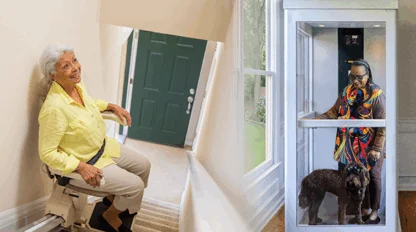
Installing a home elevator is one of the most impactful upgrades you can make for home accessibility, safety, and long-term independence—and this doesn’t always apply to just aiding in your aging-in-place goals. Residential elevators can be used for so many other purposes and are loved by multigenerational families.
While they’re fantastic additions to your home (hello, increased home value!), the sticker shock might get you. This leads to one of the first questions: “How much does a home elevator actually cost?”
The answer depends on several factors, including the type of elevator, your home’s layout, and the level of customization. In this guide, we’ll break down realistic cost ranges, what drives pricing, and how to determine the best option for your home.
Average Home Elevator Cost in 2026
Most home elevators fall within the following ranges, depending on their options, features, installation process, and drive systems:
- Shaftless (through-floor) elevators: $30,000–$50,000+
- Traditional elevators (with shaft): $45,000–$100,000+
- Pneumatic (vacuum) elevators: $40,000–$65,000+
Note: Installation, customization, and any home modifications can impact these numbers significantly.
Cost Breakdown by Elevator Type
Shaftless (Through-Floor) Elevators
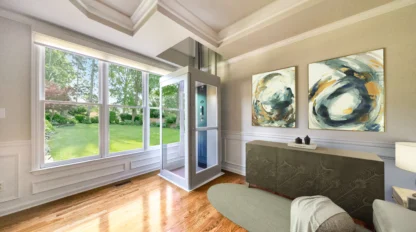
These are among the most popular options for existing homes. From the minimal construction/home modifications required to their small footprint, they’re a great product to consider when considering an elevator with limited living space and when considering home aesthetics.
Why they’re cost-effective:
- Minimal construction required
- No full shaft or hoistway
- Faster installation
Typical cost: $25K–$45K+
Best for:
- Retrofitting into existing homes
- Homeowners planning to age in place
- Those wanting a balance of design + function
Traditional Home Elevators
These require a built-in shaft and more structural work. While they call for some more intense construction in the home and have a larger footprint, they boast a greater weight capacity, which can better accommodate larger, heavier mobility devices and multiple users. While they may not all match your home décor, they pack powerful punches.
Why they cost more:
- Extensive construction
- Larger footprint
- More customization options
Typical cost: $40K–$100K+
Best for:
- New builds or major renovations
- Larger homes
- Maximum customization
Pneumatic (Vacuum) Elevators
These use air pressure to move the cab and have a distinct cylindrical design. They can also come in a more modern, cylindrical shape, as opposed to other traditional home elevators. Pneumatic Vacuum Elevators look sleek and stylish, but their drive system can be louder than other elevators’.
Typical cost: $35K–$60K+
Best for:
- Modern aesthetics
- Compact footprint
- Unique design preferences
What Impacts the Cost the Most?
Now that you’re a little more familiar with the types of residential elevators, it’s important to better understand what impacts the cost the most.
1. Home Layout
- Two-story vs three-story homes
- Available space
- Structural modifications required
2. Installation Complexity
- Cutting through floors
- Electrical work
- Reinforcement needs
Note: The more complex the install, the higher the cost.
3. Customization & Features
- Finishes and materials
- Lighting (yes, mood lighting counts)
- Smart controls or displays
4. Accessibility Needs
- Wheelchair compatibility
- Cabin size
- Safety features
Planning for future home accessibility needs can increase upfront cost—but save significantly long-term.
Home Elevator vs Other Accessibility Options (Cost Comparison)
| Option | Typical Cost | Key Limitation |
| Ramp | $1K–$10K | Requires space for slope |
| Stairlift | $3K–$15K | Not wheelchair accessible |
| VPL (Platform Lift) | $8K–$20K+ | Limited travel height |
| Home Elevator | $25K–$100K+ | Higher upfront investment |
While elevators cost more initially, they offer:
- Full accessibility
- Better long-term usability
- Increased home value
Real-Life Cost Scenarios (What Homeowners Actually Spend)
Scenario 1: Simple Retrofit
- 2-story home
- Minimal structural changes
Estimated cost: $25K–$35K
Scenario 2: Mid-Range Custom Install
- Design upgrades
- Moderate structural work
Estimated cost: $35K–$55K
Scenario 3: High-End Installation
- Larger cab
- Premium finishes
- Complex layout
Estimated cost: $60K+
Is a Home Elevator Worth the Cost?
It depends on your goals—but for many homeowners, the answer is yes.
A home elevator can:
- Eliminate fall risk on stairs
- Allow aging in place
- Increase property value
- Improve daily comfort and independence
Compared to moving or assisted living, it can also be a cost-effective long-term investment
Common Mistakes to Avoid
Choosing based on price alone
The cheapest option may not meet long-term needs
Not planning for future mobility
What works today may not work in 5 years
Underestimating space requirements
Proper planning avoids costly adjustments later
How to Choose the Right Elevator for Your Budget
- Define your mobility needs (now + future): We never know what the future might bring, but attending all doctors appointments and learning about what might come down the road can help you make a better-educated decision on which elevator might work best for you.
- Evaluate your home layout: Review your home layout – if you have more than two floors, a shaftless elevator may not be for your needs. While you know your home best, it’s strongly suggested you connect with a local elevator professional who can provide you with a free, no-obligation home evaluation. They can make recommendations such as which elevator type would best fit your home (and even where it would fit best).
- Set a realistic budget range: It’s understood that the sticker shock can be, well, shocking. However, the cost of a home elevator can either equal or come in less than a single year at an assisted living facility (or even moving to a more accessible home). Seriously consider whether you plan to stay in your home long term, or if you think another option would be best in the future. Also, many elevator dealerships offer payment plans to help ensure you get what you need.
- Compare types—not just brands: We reviewed a handful of the elevator drive systems and types (while sprinkling some brand names). Think more about the weight capacities, dimensions, and customizations each type offer and consider the benefits and modifications each might call for.
- Consult an expert for accurate estimates: As mentioned in the second point, we strongly suggest you consult an expert for an estimate and home evaluation. While this guide provides a range of prices, a local dealer can better estimate the cost of the elevator, installation, and any potential extra work needed.
FAQs About Home Elevator Costs
What is the cheapest home elevator option?
Shaftless elevators are typically the most cost-effective permanent solution.
Why do prices vary so much?
Cost depends on installation complexity, customization, and home structure.
Do home elevators increase home value?
Yes—especially in homes designed for aging in place or long-term accessibility.
Can I install an elevator in an existing home?
In many cases, yes—especially with shaftless designs.
What to Do Next
The best way to determine your exact cost is to evaluate your home, layout, and mobility needs.
Talk to a local expert to get a personalized recommendation and accurate estimate.
Interested in Becoming a Distributor?
If you are looking to expand your product offerings or trying to reach a new market, then the Pollock Residential Elevator could be perfect for you. Reach out to our team to learn more.