Stairs are a familiar part of everyday life—but familiarity doesn’t equal safety. In fact, staircases are one of the most common locations for injuries in residential homes, affecting people of all ages.
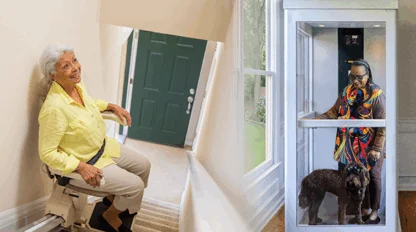
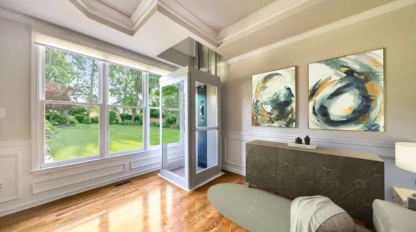
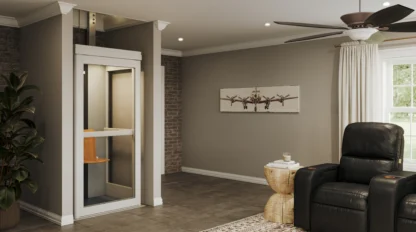
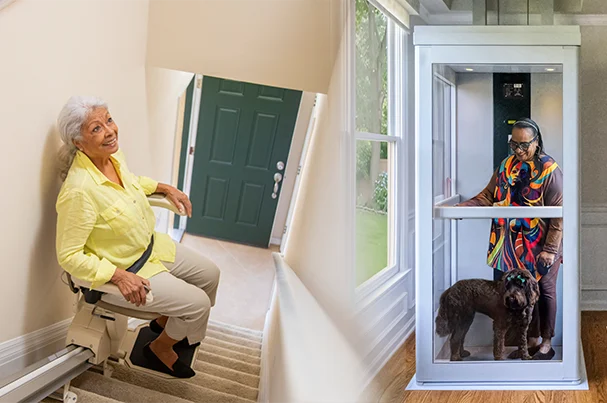
As families plan for aging in place, multigenerational living, or long-term accessibility, many homeowners are realizing that residential elevators offer a safer, more reliable alternative to stairs. From reducing fall risk to supporting independence, elevators fundamentally change how people move through their homes.
Stair Falls Are More Common Than Many People Realize
Stairs present multiple risk factors all at once: changes in elevation, narrow treads, limited handrail use, and the need for balance while moving forward or downward.
Falls on stairs can occur due to:
- Loss of balance
- Poor lighting or visibility
- Carrying items that block vision
- Fatigue or joint pain
- Slips, trips, or missed steps
These risks affect not only seniors, but also adults, children, and caregivers managing daily tasks.
Elevators Eliminate the Need to Navigate Stairs
The most effective way to reduce stair-related injuries is simple: remove the need to use stairs altogether.
Residential elevators provide:
- Smooth, vertical travel between floors
- No step-over hazards
- No balance-dependent movement
- No carrying heavy or bulky loads up or down stairs
By replacing repeated stair use with an elevator, homeowners significantly reduce one of the most common sources of in-home injury.
Safer for All Ages—not Just Seniors
While stair safety is often discussed in the context of aging, stairs pose risks for everyone.
Elevators are safer for:
- Parents carrying children
- Adults moving laundry, groceries, or luggage
- Children who may run or misstep on stairs
- Individuals recovering from injury or surgery
Because elevators are enclosed and controlled, they remove many of the unpredictable variables that make stairs dangerous.
Built-In Safety Features Provide Added Protection
Modern residential elevators are engineered with safety at their core. Depending on the model, common features may include:
- Enclosed cabs with full-height doors
- Smooth starts and stops
- Non-slip flooring
- Automatic door locks
- Emergency stop buttons
- Backup systems for power interruptions
These features work together to create a predictable, stable ride—something stairs simply can’t offer.
Reduced Risk While Carrying Items
Many stair-related falls happen when people are distracted or physically burdened.
Elevators allow homeowners to:
- Transport groceries, laundry, or luggage safely
- Move heavy or awkward items without strain
- Maintain visibility and balance at all times
This makes everyday tasks safer and more manageable, especially in multi-story homes.
Supporting Independence Without Sacrificing Safety
One of the greatest dangers of stairs is what happens after they become difficult to use. Many people limit their movement to one level of the home, increasing isolation and reducing activity.
Elevators allow individuals to:
- Move freely throughout the home
- Maintain independence
- Avoid risky stair use without feeling restricted
That freedom supports both physical safety and emotional well-being.
A Long-Term Safety Solution
Temporary solutions—like avoiding stairs or limiting activity—don’t address the root problem. Residential elevators offer a permanent, proactive way to make homes safer over time.
They’re especially beneficial for:
- Aging in place
- Multigenerational households
- Homes with two or more floors
- Families planning ahead for changing mobility needs
To Sum It Up
Stairs may be common, but they’re also one of the most hazardous features in a home. Residential elevators offer a safer, more dependable way to move between floors—reducing fall risk, supporting independence, and improving everyday comfort for people of all ages.
Ready to make your home safer?
Connect with a certified Pollock installer today to learn how you can better equip your home with safe, reliable access solutions.
Interested in Becoming a Distributor?
If you are looking to expand your product offerings or trying to reach a new market, then the Pollock Residential Elevator could be perfect for you. Reach out to our team to learn more.