The Cost of Home Elevators vs. Moving: Which Is the Better Investment for Accessibility?
March 24, 2026
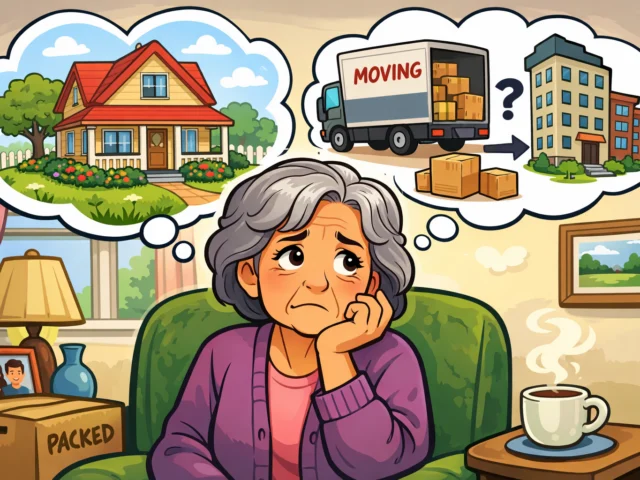
When mobility needs begin to change, many homeowners face a big question:
Should I move to a more accessible home—or adapt the one I already love?
At first glance, downsizing or relocating may seem like the simpler option. But when you look closer—at both the financial and lifestyle impact—the decision becomes more nuanced.
For many families today, the goal isn’t just accessibility. It’s maintaining comfort, familiarity, and independence in a space that already feels like home.
Let’s break down the real costs—and the bigger picture.
Why This Decision Matters More Than Ever
Aging in place has become a priority for many homeowners—and for good reason.
Home isn’t just a structure. It also provides familiar routines, meaningful memories, and a sense of comfort and control.
Moving to another home (no matter the size) can disrupt all of that. At the same time, mobility challenges—especially in multi-level homes—can’t be ignored.
That’s where the questions come in:
- Move or downsize
- Modify your home with a residential elevator
Both paths aim to improve accessibility—but they come with very different costs and experiences.
The True Cost of Moving or Downsizing
Moving isn’t just a financial transaction—it’s a full life transition that can come with more than just financial costs.
Upfront Financial Costs
- Realtor commissions (typically 5–6%)
- Closing costs on both sale and purchase
- Moving services and logistics
- Repairs or staging for your current home
Hidden or Overlooked Costs
- Higher cost per square foot in desirable areas
- Renovations in the new home to meet accessibility needs
- Temporary housing or storage
- Emotional stress and time investment
Lifestyle Trade-Offs
- Leaving a familiar neighborhood
- Losing proximity to friends, family, or routines
- Adjusting to a completely new layout and environment
Even after moving, many homes still require updates to truly support long-term mobility.
The Cost of a Home Elevator
A residential elevator is an investment—but it’s one that directly addresses accessibility while allowing you to stay where you are.
What You’re Investing In
- Safe, reliable access between floors
- Reduced reliance on stairs
- Long-term usability of your home
Key Cost Factors
- Number of floors
- Travel distance
- Installation type (new build vs retrofit)
- Customization and finishes
While pricing varies, the investment is often comparable to—or less than—the total cost of moving when all factors are considered.
Side-by-Side: Elevator vs. Moving
Financial Perspective
Moving/Downsizing
- Multiple transaction costs
- Ongoing adjustments or renovations
- Market-dependent pricing
Home Elevator
- One-time investment
- Minimal ongoing changes
- Direct improvement to your existing home
Accessibility Outcome
Moving/Downsizing
- May still require modifications
- Accessibility depends on the new home
Home Elevator
- Immediate, reliable access between levels
- Designed for long-term mobility needs
The Emotional Value of Staying Put
This is the part that doesn’t show up on a spreadsheet—but matters just as much. So many homeowners today prefer to stay in their homes because it reflects years of memories and they have a community they’re comfortable with. Uprooting from something you’ve spent so much time building (and then having to start over again) can be emotionally and mentally taxing.
Moving can feel like starting over, depending on the distance between your current address and the next. For some, that’s exciting—but for many, it’s overwhelming.
A home elevator allows you to adapt your space without giving it up.
When a Home Elevator Makes the Most Sense
A residential elevator may be the right choice if:
- You plan to stay in your home long-term
- Your home has multiple levels
- Stairs are becoming more difficult or less appealing
- You want to proactively plan for future mobility needs
It’s especially valuable when the goal is to maintain independence—not react to a limitation. And if you think a home elevator is just to help you access different floors, think about it this way: Your elderly pet might need assistance on the stairs, or maybe those suitcases or overloaded laundry baskets are just a little too cumbersome to drag back and forth. Residential elevators are more than a way to skip the steps. It’s a tool to help you get things done smarter instead of working harder.
When Moving Might Be the Better Fit
There are situations where relocating makes sense, such as:
- The home layout cannot accommodate modifications
- Major structural changes would be required
- You’re already planning a lifestyle shift (location, climate, etc.)
The key is making a decision based on your long-term goals—not just short-term convenience.
Beyond Cost: Quality of Life
When comparing the cost of home elevators vs. moving, it’s easy to focus on dollars.
But the real question is:
What kind of daily life do you want?
- Do you want to stay where everything feels familiar?
- Do you want your home to adapt to you—not the other way around?
- Do you want to maintain independence without disruption?
For many homeowners, the answer leads back to staying put—and making thoughtful upgrades that support long-term comfort.
Final Thoughts
There’s no one-size-fits-all answer. But there is a better question: Which option supports the life you want to live—both now and in the years ahead? For many, staying in a home they love—surrounded by familiarity, comfort, and independence—isn’t just the easier choice. It’s the right one.
If you’re interested in learning more about residential elevators, the installation process, or getting a free consultation, contact us today!
Interested in Becoming a Distributor?
If you are looking to expand your product offerings or trying to reach a new market, then the Pollock Residential Elevator could be perfect for you. Reach out to our team to learn more.