How Home Elevators Work: A Complete Guide to Residential Elevator Systems
June 25, 2026
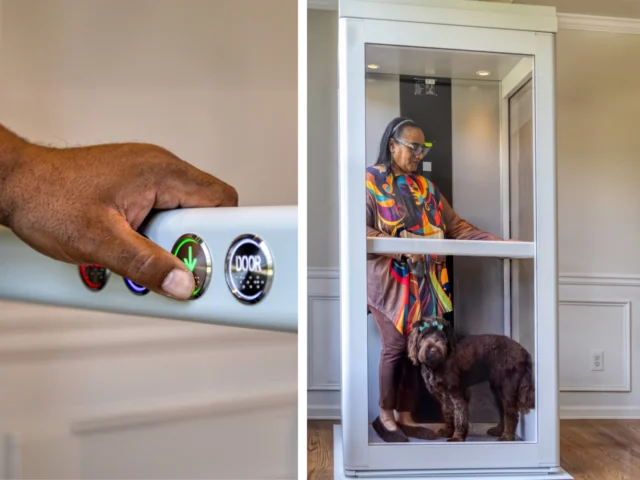
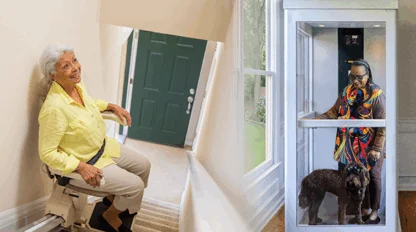
Whether you’re planning to age in place, making your home more accessible, or simply exploring ways to improve everyday convenience, a residential elevator can be a smart long-term investment.
Modern home elevators are quieter, more compact, and easier to install than ever before. Many designs fit seamlessly into existing homes while providing safe, reliable access between floors without the need to climb stairs.
In fact, surveys consistently show that around 90% of older adults want to remain in their own homes as they age, making accessibility upgrades like residential elevators an increasingly popular way to support independence and comfort.
In this guide, we’ll explain how home elevators work, the different drive systems available, how to choose the right load capacity, what safety features to look for, and how simple maintenance helps keep your elevator operating smoothly for years to come.
What Is a Residential Home Elevator?
A residential elevator is a lift designed specifically for private homes, allowing people to travel safely between floors without using stairs.
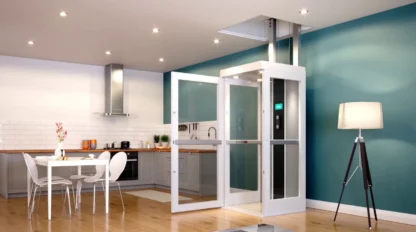
Unlike commercial elevators, residential models are built for lower travel heights, fewer daily trips, and smaller footprints. Many modern systems—such as compact shaftless home elevators—can be installed with minimal structural changes while blending beautifully into the home’s design.
Home elevators are particularly valuable for:
- Aging in place
- Individuals with limited mobility
- Multi-generational households
- Carrying groceries, laundry, or luggage between floors
- Future-proofing a home for changing accessibility needs
The Main Components of a Residential Elevator
Although today’s home elevators use sophisticated technology, their basic operation is surprisingly straightforward.
| Component | Purpose |
| Drive System | Raises and lowers the elevator cab. |
| Cab | The passenger compartment where riders travel. |
| Doors | Provide safe entry and prevent operation unless securely closed. |
| Hoistway or Guide Rails | The path the elevator follows between floors. Some compact elevators use guide rails instead of a traditional shaft. |
| Control System | Coordinates movement, safety monitoring, and floor selection. |
Each component is designed to work together, providing smooth travel while constantly monitoring safety throughout every trip.
Common Residential Elevator Drive Systems
The drive system is the “engine” of a home elevator. Different technologies offer different advantages depending on your home’s layout, accessibility needs, and personal preferences.
| Drive Type | Advantages | Considerations |
| Hydraulic | Excellent lifting power, handles heavier loads well | Requires additional space and may need a machine room |
| Traction (Cable) | Quiet, energy efficient, smooth ride, compact installation | Higher upfront investment than some systems |
| Pneumatic (Vacuum) | No pit or machine room required, ideal for retrofits | Lower weight capacities and distinctive operating sound |
Newer elevator technologies also include regenerative drive systems, which capture energy created during braking and reuse it to improve overall efficiency.
For many homeowners looking for quiet operation and minimal construction, traction-drive elevators have become one of the most popular options.
How to Assess Load Capacity for Residential Lifts
One of the most important decisions when choosing a home elevator is selecting the appropriate load capacity.
Load capacity refers to the maximum amount of weight an elevator is certified to carry safely.
When evaluating your needs, consider not only the people who will regularly use the elevator but also anything they may carry, including:
- Wheelchairs
- Walkers
- Groceries
- Laundry baskets
- Medical equipment
- Luggage
Typical Residential Elevator Capacities
| Capacity | Best For |
| 500 lbs | One to two passengers |
| 750 lbs | Multiple passengers or occasional wheelchair use |
| 1,000 lbs | Larger households or regular accessibility equipment |
Choosing an elevator with enough capacity helps ensure smooth performance while providing flexibility as mobility needs change over time.
Small Home Elevator Design Options
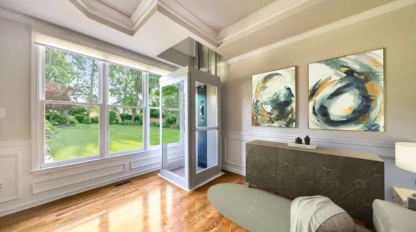
Today’s residential elevators are designed to complement—not compete with—your home’s interior.
Manufacturers now offer extensive customization options that make even compact elevators feel like a natural extension of the surrounding space.
Popular design choices include:
- Frameless glass panels
- Glass-sided elevator cabins
- Ambient LED lighting
- Contemporary metal finishes
- Woodgrain interior panels
- Custom flooring
- Door finishes that match surrounding trim
- Minimalist control panels
Compact shaftless elevators are especially popular because they preserve open floor plans while requiring a much smaller footprint than traditional elevator systems.
Why Quiet Traction Drive Home Elevators Are So Popular
Many homeowners are surprised by just how quiet modern residential elevators have become.
A traction drive elevator uses an electric motor, cables, and counterweights to move the cab smoothly between floors.
Because these systems rely on precision electric motors rather than hydraulic pumps, they typically generate:
- Less vibration
- Less mechanical noise
- Smoother starts and stops
- Improved energy efficiency
Many newer designs also eliminate the need for a dedicated machine room through machine-room-less (MRL) technology, reducing both construction requirements and operating noise.
Tips for Maintaining Quiet Operation
To keep your elevator operating at peak performance:
- Schedule annual professional inspections
- Lubricate moving components as recommended
- Keep guide rails clean
- Address unusual noises promptly
- Have controls calibrated during routine service visits
Preventive maintenance helps preserve the smooth, whisper-quiet ride homeowners expect from a modern traction-drive elevator.
Safety Features That Protect Every Ride
Residential elevators are built with multiple layers of safety systems designed to protect users during everyday operation and unexpected situations.
Important features include:
- Door interlocks that prevent doors from opening unless the elevator is safely positioned at the floor
- Battery backup that allows the elevator to reach a safe landing during a power outage
- Obstruction sensors that stop movement if an object blocks the doorway
- Emergency lowering systems
- Emergency stop controls
- Safety-certified installation that complies with residential elevator codes
At Pollock Residential Elevators, safety extends beyond minimum code requirements through advanced monitoring systems and professional installation performed by experienced local dealers.
What to Expect During Installation
Many homeowners assume installing an elevator requires a major renovation.
In reality, many modern residential elevators are specifically designed to minimize construction.
Before installation, your dealer will evaluate:
- Available floor space
- Ceiling height
- Electrical requirements
- Structural support
- Desired elevator location
Compact shaftless and machine-room-less elevators often require significantly less construction than traditional elevator systems, making them ideal for both new construction and existing homes.
Installation Planning Checklist
- Schedule an in-home assessment
- Discuss accessibility goals
- Review available design options
- Confirm electrical requirements
- Coordinate with builders or contractors
- Obtain any required permits
- Schedule professional installation
Working with an experienced dealer helps ensure the installation process is efficient, compliant with local codes, and tailored to your home’s unique layout.
Home Elevator Maintenance Tips
Like any major home system, residential elevators perform best with routine maintenance.
Fortunately, ongoing care is relatively simple.
Annual Maintenance Checklist
| Task | Recommended Frequency |
| Professional inspection | Once per year |
| Safety system testing | Annually |
| Lubrication of moving components | During scheduled service |
| Control system inspection | Annually |
| Cleaning guide rails | As recommended by manufacturer |
Some modern elevator systems now include remote monitoring or predictive maintenance technology, allowing service providers to identify potential issues before they become larger repairs.
Routine maintenance not only extends the life of your elevator but also helps maintain the smooth, quiet performance homeowners expect.
Why More Homeowners Are Choosing Residential Elevators
Residential elevators have evolved far beyond luxury features.
Today, they’re practical accessibility solutions that help families remain comfortably and safely in the homes they love.
Whether you’re planning ahead for aging in place or addressing current mobility challenges, a thoughtfully designed home elevator can provide:
- Greater independence
- Reduced fall risk
- Easier movement between floors
- Increased convenience for everyday tasks
- Long-term confidence in your home’s accessibility
With compact designs, advanced safety features, and customizable finishes, modern home elevators make it easier than ever to create a home that’s both beautiful and accessible.
Frequently Asked Questions
How is the load capacity determined for a residential elevator?
Load capacity is established by the manufacturer based on the elevator’s engineering, drive system, and safety certifications. When choosing a model, consider the combined weight of passengers along with items such as wheelchairs, walkers, or groceries.
What design features can improve the appearance of a compact home elevator?
Popular options include glass panels, frameless designs, LED lighting, custom finishes, matching doors, and contemporary interior materials that blend seamlessly with your home’s décor.
Why are traction-drive home elevators quieter?
Traction-drive elevators use precision electric motors, cables, and counterweights that create less vibration than many hydraulic systems. Their smooth operation also contributes to a quieter ride.
What safety features should every home elevator include?
Look for door interlocks, battery backup, obstruction sensors, emergency lowering capabilities, and professional installation that meets residential safety codes.
How often should a home elevator be serviced?
Most manufacturers recommend professional maintenance at least once a year. Regular inspections, lubrication, and safety testing help ensure reliable performance and preserve the elevator’s quiet operation.
Are you ready to learn more about the installation process of a home elevator? Contact us today to speak with a certified Pollock dealer in your area!
Interested in Becoming a Distributor?
If you are looking to expand your product offerings or trying to reach a new market, then the Pollock Residential Elevator could be perfect for you. Reach out to our team to learn more.