What to Consider When Buying an Elevator
June 17, 2025
Investing in a residential elevator is a significant decision. To ensure you select the best option for your needs, consider the following factors:
Your Goal
It’s important to consider the goal when considering investing in a home elevator. Elevators are an incredible product when looking to remain in your forever home – forever. These home access tools are built to be there for you as you age, offering space in case any mobility devices might be needed down the road, mobility capabilities change, or disabilities worsen.
Stairlifts are great tools to help a user who can stand and sit on their own; however, they may not be optimal for those who are more heavily reliant on mobility devices in the home or have balance issues. Vertical platform lifts are great options for porches, decks, and garages, but aren’t optimal for indoor use.
If the goal is to remain in your home for as long as possible, elevators should be at the top of your list to consider.
Types of Elevator and Drive System
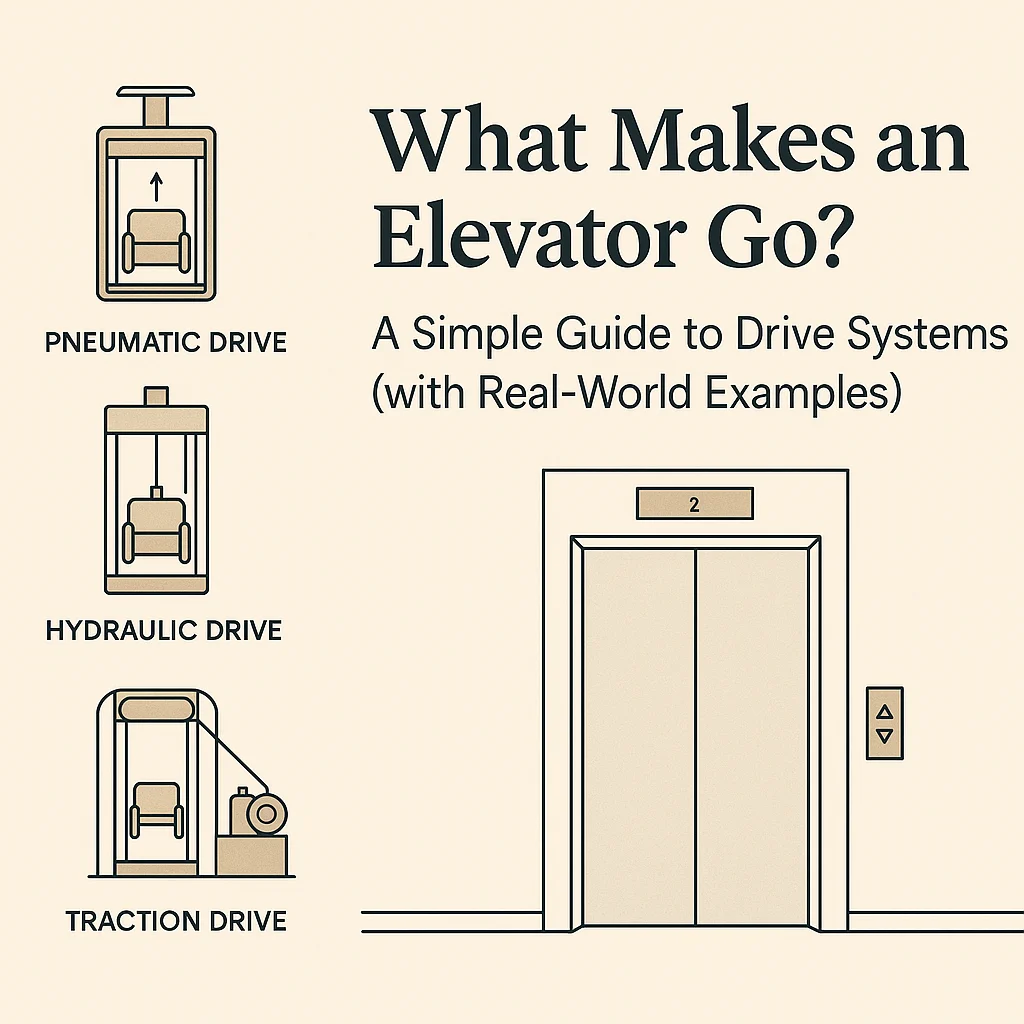
There are several drive systems available for residential elevators, each with different effects on performance, space requirements, and installation time. Understanding how these systems work can help you better determine which best fits your lifestyle:
- Hydraulic: A smooth, quiet system that requires additional space for a pump room.
- Traction: Uses cables and pulleys; known for efficiency and most common in commercial markets.
- Pneumatic: Requires a space for the air compressor pump typically stored in the ceiling above; can be very loud, over 60db.
- Winding Drum: A cost-effective option; often keep motor enclosure within footprint.
Space and Elevator Installation Requirements
Residential elevators vary in size and design. When researching, consider the space available in your home and the footprint the elevator will require.
If you’re building a new home, you have more flexibility. Decide where you’d like the elevator located and whether you can dedicate a space for machinery. Retrofitting into an existing home may require additional structural changes – this depends on the location chosen, make sure to have some backup locations to discuss with your local dealer.
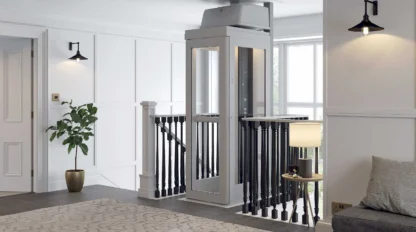
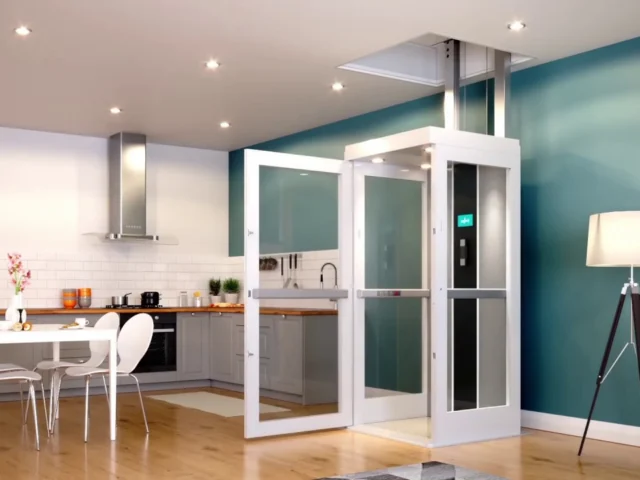
Note that some models or applications like garage access require a shaft, or more commonly a hoistway, or machinery room, while pneumatic and shaftless elevators are freestanding and minimally invasive.
Budget and Cost
It’s common to experience sticker shock when first exploring residential elevator prices. However, over time, an elevator might be the more cost-effective solution, compared to downsizing, large-scale renovations, or transitioning to assisted living.
Prices can range from $25,000 to over $50,000, depending on the elevator type and customizations. Installation complexity may also impact the final cost.
Ease of Use
Residential elevators are designed to be as intuitive as their commercial cousins. Most operate with constant pressure on a button, toggle, or touch screen.
Many models include user-friendly features such as swing or sliding doors (Pollock elevators offer a concealed power door option), emergency communication systems, and battery backup. Though elevators may seem luxurious, residential models are often much simpler and more economical than commercial-grade systems requiring large shafts or machine-dedicated rooms.
Size and Placement
Home elevators come in various sizes to accommodate different users, including those dependent on mobility aids. Consider potential future needs when considering your elevator’s size.
Standard shaftless elevator cabs range from 24” x 24” to 30” x 30”. For example, Pollock Homelifts offer sizes from just under 22” x 30” to nearly 34” x 50”.
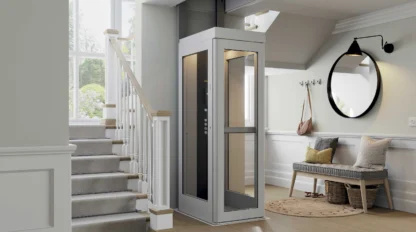
When choosing placement, think about available space, any needed structural modifications, and proximity to key areas of the home. Shaftless models require less space and can often be installed in a corner or near a staircase, offering convenience without interrupting traffic flow. A professional installer will help you in finding the best placement.
Weight Capacity
Weight capacity depends on the elevator’s drive system and size. Shaftless elevators typically support 350-500 lbs, while custom elevators can accommodate over 2,000 lbs.
Remember, though: More weight requires a stronger drive system, and exceeding the rated capacity can damage the elevator and void the warranty.
Warranty
Warranties vary by manufacturer and provider, but most include coverage for key components, labor, and sometimes extended options.
A typical manufacturer warranty lasts 2-5 years and covers parts like the motor, gearbox, electrical system, and drive mechanism. Battery warranties usually last 1-2 years with replacements typically needed every 2-5 years. Always review the terms, and ensure you understand what is and what isn’t included.
Interested in Becoming a Distributor?
If you are looking to expand your product offerings or trying to reach a new market, then the Pollock Residential Elevator could be perfect for you. Reach out to our team to learn more.