A Guide to Finding the Best Elevator Installer for Your Needs
July 28, 2026
Choosing the right residential elevator installer is just as important as choosing the elevator itself. A qualified installer helps determine whether the equipment suits your home, coordinates permits and construction, verifies safety requirements, and provides dependable service after installation.
Start by confirming licensing, insurance, relevant experience, safety practices, customer references, warranty coverage, and local permit knowledge. Then compare written proposals based on the complete scope of work—not simply the lowest initial price.
For homeowners planning to age in place, the right installer should also understand that an elevator is more than a construction project. It is an investment in independence, confidence, and the ability to continue enjoying your home.
Understanding the Residential Elevator Installation Process
A residential elevator is a compact lift designed to move people or household items safely between floors in a private home. Home elevators are commonly installed to improve accessibility for older adults, people with mobility challenges, and families planning for future needs.
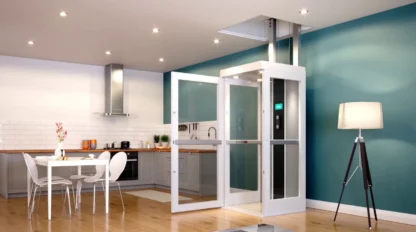
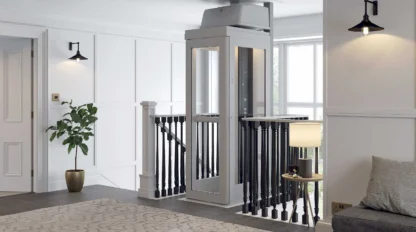
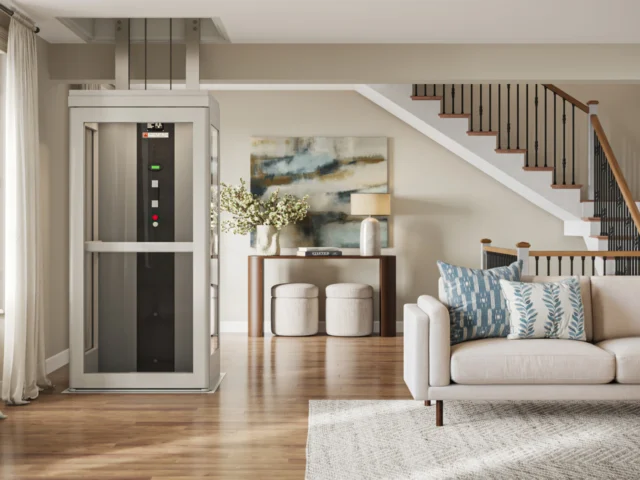
The residential elevator installation process varies by elevator type and home layout. A traditional elevator may require a hoistway, pit, machine space, and extensive construction. A compact shaftless elevator travels through a floor opening and can often be added to an existing home with fewer structural changes.
Regardless of the elevator type, a well-managed project typically includes the following stages:
| Project stage | What happens |
| Initial consultation | The installer discusses accessibility needs, preferred locations, budget, and design goals. |
| Site assessment | A specialist measures the space and evaluates the structure, electrical service, access route, and potential obstacles. |
| Elevator selection | The homeowner and installer choose an appropriate model, capacity, configuration, finishes, and safety features. |
| Design and engineering | Plans identify openings, structural support, electrical requirements, and other home modifications. |
| Permitting | Required plans and applications are submitted to the local building department or other regulatory authority. |
| Site preparation | Contractors complete structural, electrical, and finish work needed before the lift is installed. |
| Equipment installation | Trained technicians assemble, connect, and configure the elevator. |
| Testing and inspection | Safety systems are tested, and an inspection may be completed when required by the local jurisdiction. |
| Handover | The installer demonstrates operation, explains emergency procedures, and provides warranty and service documents. |
The Authority Having Jurisdiction, or AHJ, is the local agency or official responsible for enforcing applicable construction codes, issuing permits, and overseeing required inspections.
An experienced installer should know how to coordinate with the relevant AHJ and explain which approvals apply to your particular home. Requirements vary by state and municipality, so generalized assurances should never replace a local code review.
Where to Find Real Homeowner Reviews for Elevator Installers
Residential elevator installer reviews can reveal how a company performs once a project begins. Look beyond the overall star rating and examine whether customers consistently mention good communication, careful workmanship, reliable scheduling, and responsive service.
Useful places to research home elevator customer experiences include:
- Google Business Profiles
- Better Business Bureau listings
- Trustpilot
- Houzz
- Local aging-in-place or accessibility groups
- Community forums for older adults and caregivers
- References supplied by the installer
Online reviews are most useful when they contain specific information about the project. A homeowner who describes the elevator type, installation experience, communication, and follow-up service provides more insight than a brief rating without context.
Look for patterns rather than allowing a single positive or negative review to determine your decision. Repeated praise for cleanliness, safety, communication, and elevator project management is encouraging. Recurring complaints about unexpected costs, unanswered calls, missed milestones, or difficult repairs deserve follow-up questions.
Ask every potential installer to provide three to five recent references. Whenever possible, request projects involving a home, elevator type, and accessibility need similar to yours.
Questions for previous customers may include:
- Was the final cost consistent with the proposal?
- Did the installer clearly explain schedule changes?
- How well did the crew protect and clean the home?
- Were permits and inspections handled efficiently?
- Did the installer explain how to operate the elevator safely?
- How responsive has the company been since installation?
- Would you hire the same installer again?
Real elevator company references allow you to investigate the full customer experience, not merely the installation day.
How to Evaluate Elevator Installation Companies
The best elevator contractors support their claims with licenses, insurance certificates, training records, detailed proposals, and relevant project examples. Documented evidence is more dependable than a verbal promise.
Use these criteria when deciding how to choose an elevator company:
Licensing and insurance
Confirm that the company and its technicians hold every license required in your state or municipality. Ask for a current certificate of insurance rather than simply asking whether the company is insured.
Residential installation experience
Elevator experience does not automatically mean residential expertise. Working inside an occupied home requires careful planning, respect for household routines, and coordination with homeowners, caregivers, builders, and inspectors.
Product knowledge
The installer should explain why a particular elevator fits your needs, home, and expected usage. Be cautious if a company recommends equipment before completing a meaningful site assessment.
Safety and code knowledge
Ask which safety code applies to the proposed equipment and which edition your jurisdiction has adopted. A capable installer should provide a clear, location-specific answer or commit to confirming it with the AHJ.
Transparent proposals
A professional proposal should define equipment, labor, site preparation, exclusions, allowances, permits, inspections, warranty coverage, payment milestones, and potential change-order conditions.
Service capability
Find out who will maintain and repair the elevator after installation. Ask where technicians and replacement parts are located and how quickly service calls are typically handled.
Equipment accessibility
Proprietary equipment relies on parts, software, or diagnostic tools controlled by a particular manufacturer or service network.
Non-proprietary equipment can generally be serviced using parts and tools available to a broader group of qualified providers.
Neither category automatically determines quality. However, proprietary controls can limit future service choices, so homeowners should understand parts availability, software access, and long-term support before signing a contract.
Pollock specializes in compact, shaftless residential elevators designed to fit a wide range of homes with limited structural disruption. Pollock’s residential elevator range is supported from initial consultation through installation and ongoing service, helping homeowners select a practical solution for accessibility and aging in place. Explore Pollock residential elevators.
Assessing the Elevator Installation Timeline and Project Management
A complete elevator installation timeline usually extends beyond the days spent placing the equipment. Design, engineering, equipment production, permits, construction coordination, inspection availability, and finish work can all affect the schedule.
A sample timeline may look like this:
| Milestone | Illustrative timeframe |
| Consultation and site assessment | 1–2 weeks |
| Product selection and proposal | 1–2 weeks |
| Drawings and engineering review | 2–6 weeks |
| Permit review | 2–8+ weeks |
| Equipment production or delivery | Varies by model and customization |
| Structural and electrical preparation | Several days to several weeks |
| Elevator installation and setup | Several days or longer, depending on the system |
| Inspection, corrections, and handover | Several days to several weeks |
These timeframes are planning examples, not guarantees. A compact shaftless elevator may require less construction than a traditional shafted system, but product availability and local approval processes still matter.
Ask each installer for:
- A written milestone schedule
- A named project manager
- A list of homeowner decisions and their deadlines
- The permit submission date
- Expected equipment lead time
- Site-preparation responsibilities
- Inspection hold points
- A process for reporting delays
- A description of change-order approval procedures
Building information modeling, or BIM, is a digital process for coordinating structural, architectural, electrical, and equipment information within a shared building model. BIM may be useful on complex projects, although a straightforward residential installation may rely on simpler drawings and project-management systems.
Digital schedules, photo documentation, quality-control applications, and shared project updates can also improve home lift scheduling. The specific software matters less than the installer’s ability to provide accurate, timely information.
Questions to Ask an Elevator Installer Before Hiring
Bring the same elevator installer interview checklist to every consultation so you can compare companies fairly.
Ask:
- Are you licensed to install and service residential elevators in my area?
- Can I see your current insurance certificates?
- Which safety code applies to this elevator?
- Which code edition has the local AHJ adopted?
- Who will obtain the permits and schedule inspections?
- How many elevators of this type have you installed?
- Can you provide three to five recent references?
- Who will manage my project?
- What is the projected installation sequence?
- Which factors could change the schedule or price?
- Is the equipment proprietary or non-proprietary?
- Who can service the elevator after the warranty expires?
- Where are replacement parts stocked?
- What is included in the warranty?
- Are both parts and labor covered?
- What maintenance schedule does the manufacturer require?
- Do you offer a service agreement?
- What is the response process for urgent service calls?
- Can I review a sample maintenance log?
- Will you train everyone in the household before handover?
A service agreement is a contract defining the maintenance, repair, inspection, response, and support services provided after installation.
The installer’s answers should be reflected in the written proposal or contract. If a promise materially affects your decision, do not rely on a verbal statement alone.
Comparing Proposals and Total Lifecycle Costs
The lowest bid is not always the most economical choice.
Lifecycle cost is the combined cost of purchasing, installing, operating, maintaining, repairing, upgrading, and eventually replacing or removing an elevator.
Use a consistent elevator proposal comparison table:
| Cost or service category | Installer A | Installer B | Installer C |
| Elevator equipment | |||
| Installation labor | |||
| Structural preparation | |||
| Electrical work | |||
| Engineering | |||
| Permits and inspections | |||
| Delivery and travel | |||
| Finish restoration | |||
| Included maintenance | |||
| Warranty coverage | |||
| Estimated annual service cost | |||
| Proprietary parts or tools | |||
| Exclusions and allowances |
Home elevator pricing varies considerably. Pollock notes that installed residential elevators commonly fall in approximately the $35,000–$55,000+ range, while structural work, customization, location, and equipment type can move the final amount higher or lower. Treat online ranges as planning figures and rely on a site-specific written quote. Read about residential elevator cost considerations.
Ask whether taxes, freight, permits, electrical work, floor finishes, painting, and post-installation repairs are included. Undefined allowances and exclusions can make an inexpensive proposal considerably more costly later.
Preparing Your Home for Elevator Installation
Good home elevator preparation reduces disruption and helps the installation crew work safely.
Before installation:
- Confirm the installation area and access route.
- Move furniture, artwork, and fragile belongings away from work zones.
- Provide the installer with any required access to electrical panels or utility areas.
- Decide where tools and materials may be stored.
- Protect nearby flooring and finishes.
- Plan a safe route around the construction area.
- Keep children and pets separated from active work zones.
- Discuss noise, dust, and temporary utility interruptions.
- Tell the project manager about medical schedules or caregiving routines.
- Confirm daily start, stop, and cleanup expectations.
- Arrange an alternative method of moving between floors during construction.
- Schedule the final operating demonstration for all regular users and caregivers.
Compact shaftless elevators can often reduce construction requirements compared with conventional shafted systems. Pollock’s models are designed for through-floor travel in existing homes, supporting accessibility while helping preserve the home’s layout and character. Even with a minimally disruptive design, proper assessment and coordination remain essential.
Frequently Asked Questions About Choosing an Elevator Installer
What factors should I consider when choosing an elevator installer?
Consider licensing, insurance, residential experience, safety record, local permit knowledge, customer reviews, equipment choices, project-management practices, warranty coverage, and long-term service support. Request documentary proof and compare complete proposals rather than relying on the lowest price.
How do I know if an elevator company is properly licensed?
Ask for the company’s business, contractor, elevator-contractor, and technician license numbers where applicable. Verify each credential with the relevant state or local authority and request current insurance certificates.
What standards should a reputable elevator installer follow?
The applicable standard depends on the equipment and local code adoption. ASME A17.1/CSA B44 covers elevators and related conveyances, while ASME A18.1 addresses platform lifts and stairway chairlifts. Ask the installer and AHJ which code and edition govern your project.
How can I compare quotes from different elevator companies?
Compare the same categories across every bid: equipment, labor, construction, electrical work, permits, warranties, maintenance, exclusions, and anticipated lifecycle costs. Confirm whether each promise is included in writing.
What questions should I ask during an installation consultation?
Ask about licensing, technician training, applicable safety codes, similar projects, references, permits, installation milestones, warranties, maintenance, emergency service, and whether parts or software are proprietary.
How long does a residential elevator installation take?
The complete process commonly takes several weeks or longer because it may include assessment, engineering, permitting, equipment lead time, site preparation, installation, and inspection. The on-site equipment installation may be much shorter, especially for a compact shaftless model.
What types of home elevators are available?
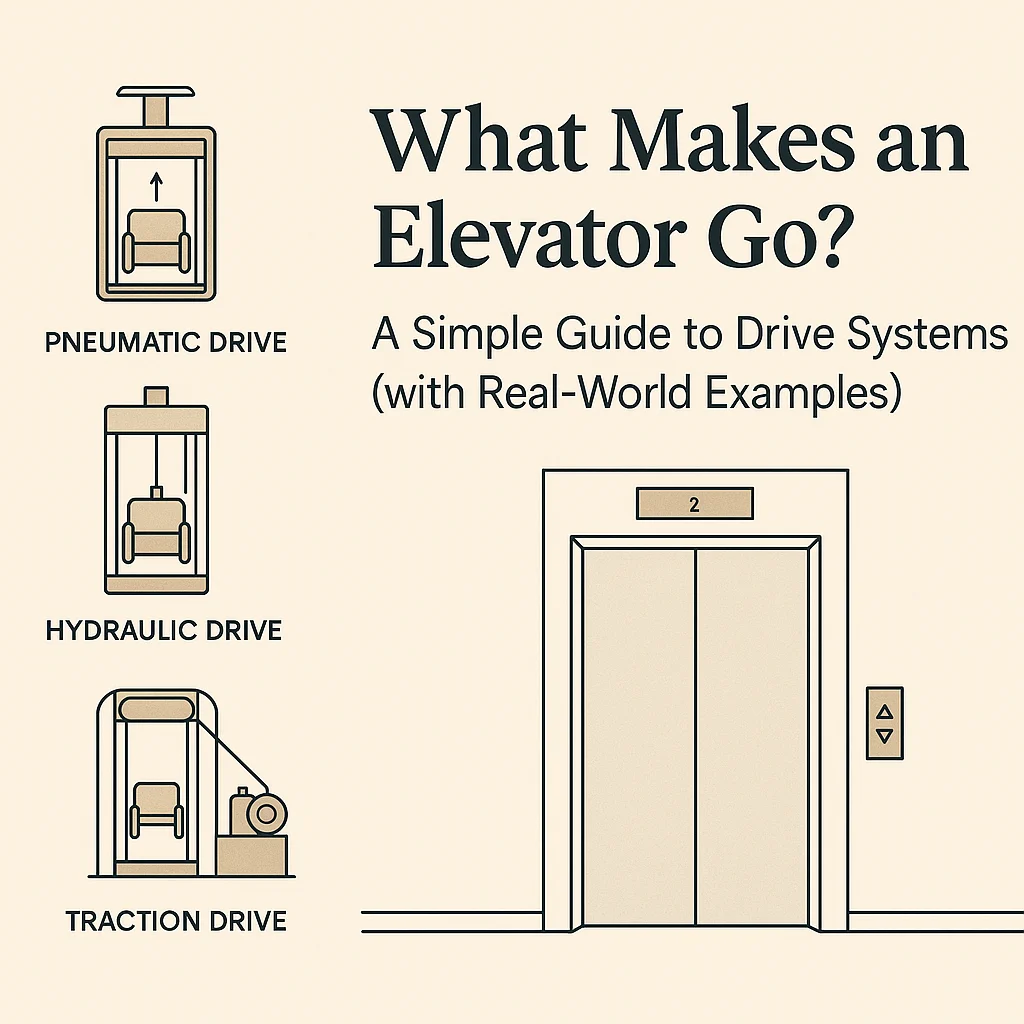
Common options include hydraulic, traction or machine-room-less, winding-drum, pneumatic vacuum, and shaftless through-floor elevators. The best choice depends on travel distance, available space, user needs, construction requirements, and budget.
How do I decide which elevator is right for my home?
Begin with a professional site assessment. The installer should evaluate the home’s layout, floor structure, electrical requirements, number of stops, accessibility needs, elevator capacity, preferred location, and long-term service considerations.
What maintenance is required after installation?
Maintenance may include professional inspections, safety-device testing, cleaning, lubrication where applicable, electrical checks, battery testing, adjustments, and replacement of worn parts. Follow the manufacturer’s schedule and all local inspection requirements.
How much does residential elevator installation cost?
Installed residential elevator costs often begin around $30,000 and may exceed $50,000. Elevator type, structural modifications, finishes, capacity, number of stops, permits, electrical work, and service coverage all influence the final price. A site-specific proposal is the most reliable estimate.
Interested in Becoming a Distributor?
If you are looking to expand your product offerings or trying to reach a new market, then the Pollock Residential Elevator could be perfect for you. Reach out to our team to learn more.