Comparing Home Elevator Costs and Options
January 19, 2026

Home elevators are becoming an increasingly popular solution for homeowners who want to improve accessibility, plan for aging in place, or future-proof a multi-level home. As interest grows, so does one of the most common questions homeowners ask:
How much does a home elevator cost—and which option is right for my home?
The answer isn’t a single number. Home elevator costs vary widely based on elevator type, home layout, installation requirements, and customization choices. This guide is designed to help you understand those variables, compare home elevator options, and make informed decisions before requesting quotes.
Rather than offering a one-size-fits-all price list, this article provides a decision framework—helping you narrow the right solution based on value, long-term fit, and accessibility goals.
Overview: Understanding Home Elevator Costs and Options
Home elevator pricing reflects much more than the equipment itself. Each project is unique, shaped by the home’s structure, accessibility needs, and personal preferences.
This guide is intended for homeowners who are:
- Comparing residential elevator costs
- Evaluating home elevator options
- Planning for aging in place
- Supporting a family member with mobility needs
By understanding the factors that influence cost and functionality, you can approach the process with clarity—and confidence.
Why Home Elevator Costs Vary
There is no single “standard” price for a home elevator. Even homes of similar size can have very different costs depending on design and installation factors.
No Two Homes—or Elevators—Are Alike
Home elevator costs are influenced by:
- Elevator technology and drive system
- Available space and layout
- Structural modifications required
- Custom design selections
This is why online price ranges can be misleading without a professional assessment.
Why Online Estimates Often Miss the Mark
Many homeowners search “how much does a home elevator cost” and encounter wide ranges. These figures often exclude:
- Installation complexity
- Permit and inspection requirements
- Custom features or accessibility upgrades
Focusing solely on the lowest number can lead to unexpected costs later.
Value Over Upfront Price
When comparing home elevator price options, it’s important to consider:
- Long-term usability
- Accessibility for changing needs
- Reliability and service support
A well-matched elevator can prevent costly retrofits or relocations in the future.
Types of Home Elevators and Cost Ranges
Understanding types of home elevators helps explain why pricing varies and which option fits your home best.
Hydraulic Home Elevators
Overview:
Hydraulic elevators use a fluid-powered piston system.
General cost range:
Often on the higher end due to space and equipment needs.
Best suited for:
- New construction
- Homes with dedicated shaft space
- Homeowners prioritizing smooth ride quality
Traction Home Elevators
Overview:
Traction elevators use a motor and counterweight system.
General cost range:
Mid-to-high range depending on configuration.
Best suited for:
- Homes with multiple levels
- Long-term daily use
- Quiet, energy-efficient operation
Pneumatic (Vacuum) Home Elevators
Overview:
These elevators use air pressure and typically feature a cylindrical design.
General cost range:
Varies based on size and customization.
Best suited for:
- Modern interiors
- Minimal structural disruption
- Compact footprints
Shaftless or Compact Home Elevators
Overview:
Designed to operate without a traditional shaft, these elevators minimize construction.
General cost range:
Often more affordable compared to traditional systems, depending on layout.
Best suited for:
- Retrofits
- Aging-in-place projects
- Homes with limited space
This category is especially popular for accessibility upgrades in existing homes.
Installation Factors That Impact Home Elevator Cost
Beyond elevator type, home elevator installation cost is shaped by how the elevator integrates into your home.
New Construction vs. Retrofit Installations
- New construction:
Allows elevators to be planned into the home’s structure, often reducing complexity. - Retrofits:
May require cutting floor openings, reinforcing framing, or rerouting utilities.
Retrofit projects can increase cost but are often the most practical solution for aging-in-place homeowners.
Structural and Electrical Considerations
Installation may involve:
- Floor and ceiling modifications
- Electrical upgrades
- Mechanical space planning
Early planning helps control complexity and cost.
Customization and Design Options
Customization plays a major role in residential elevator pricing.
Cab Size and Weight Capacity
Larger cabs and higher capacities increase material and installation requirements but improve accessibility and usability.
Door Configurations and Entry Placement
Options such as:
- Single or opposite-side entry
- Automatic doors
…affect both convenience and design integration.
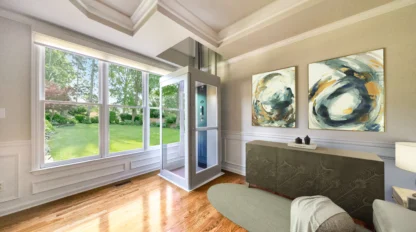
Interior Finishes and Aesthetics
Home elevators can be designed to blend seamlessly with interiors—enhancing both daily enjoyment and resale appeal.
Customization isn’t just visual—it directly impacts comfort, dignity, and long-term satisfaction.
Comparing Home Elevators to Other Mobility Options
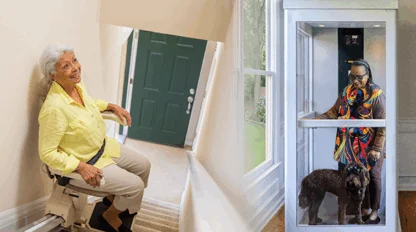
When evaluating home elevator options, homeowners often compare elevators to stairlifts.
Home Elevators vs. Stairlifts
Stairlifts:
- Lower upfront cost
- Designed for seated users
- Serve one staircase only
Home elevators:
- Higher initial investment
- Support wheelchairs, caregivers, and multi-user households
- Provide full-home accessibility
For long-term or wheelchair accessibility, elevators often deliver greater overall value.
Elevators as a Whole-Home Solution
Rather than solving one stairway, elevators remove vertical barriers throughout the home—supporting independence across all levels.
Ongoing Costs and Long-Term Ownership
Understanding ongoing costs helps homeowners plan realistically.
Maintenance and Service Plans
Most residential elevators require:
- Periodic inspections
- Preventive maintenance
These costs are typically predictable and manageable.
Energy Use and Operation
Modern home elevators are energy-efficient and designed for residential use, keeping operating costs reasonable.
Planning for Long-Term Ownership
Viewing maintenance as part of ownership—not an unexpected expense—helps protect performance and longevity.
How to Choose the Right Home Elevator Option
Selecting the right elevator involves balancing needs, layout, and budget.
Evaluate Current and Future Mobility Needs
Consider:
- Who will use the elevator
- Whether wheelchairs or mobility aids are involved
- Long-term aging-in-place goals
Assess Your Home Layout
A professional assessment identifies:
- Feasible locations
- Installation requirements
- Cost-saving opportunities
Compare Solutions—Not Just Prices
Multiple quotes and expert guidance help ensure you choose the best overall fit—not just the lowest initial cost.
Pollock’s Approach to Home Elevator Costs and Options
At Pollock, home elevator projects are approached as long-term partnerships—not one-time installations.
Professional Home Assessments
Each project begins with a thorough evaluation to ensure compliance, safety, and suitability.
Support Across Multiple Elevator Types
Pollock solutions are designed to support a range of layouts, accessibility needs, and design preferences.
Long-Term Service and Support
Reliable service and guidance continue long after installation—helping homeowners maintain confidence and independence.
Frequently Asked Questions About In-Home Elevators
How much does a home elevator typically cost?
Home elevator costs vary widely depending on type, installation, and customization. Professional assessments provide the most accurate pricing.
What factors affect home elevator pricing the most?
Elevator type, installation complexity, space requirements, and customization choices.
Which type of home elevator is most affordable?
Compact or shaftless elevators are often among the most cost-effective options, depending on the home.
Are home elevators more expensive than stairlifts?
Yes, but elevators provide greater accessibility, flexibility, and long-term usability.
Do home elevators increase home value?
In many cases, they improve marketability—especially for buyers seeking accessible or aging-in-place homes.
To Sum it Up
Comparing home elevator costs and options isn’t about finding a single price—it’s about finding the right solution for your home, lifestyle, and future needs.
With thoughtful planning, professional guidance, and a focus on long-term value, a home elevator can be one of the most impactful investments you make in accessibility, independence, and peace of mind.
Are you ready to learn more about residential elevators? Thinking about a shaftless home lift? Connect with a certified Pollock Residential Elevator dealer in your area!
Interested in Becoming a Distributor?
If you are looking to expand your product offerings or trying to reach a new market, then the Pollock Residential Elevator could be perfect for you. Reach out to our team to learn more.