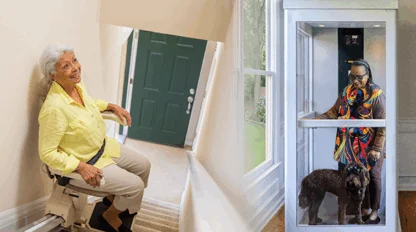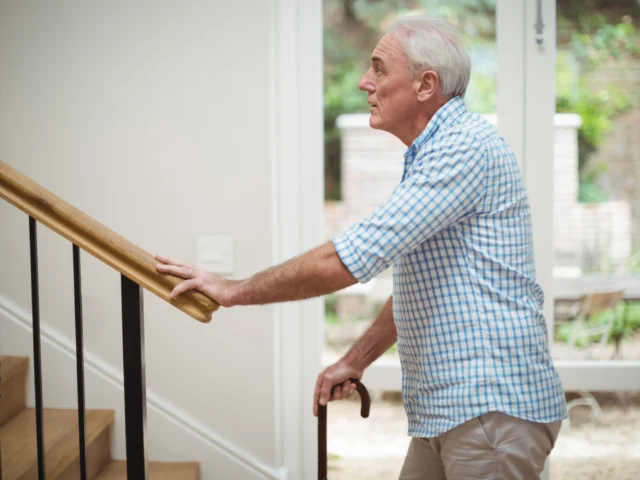
For many homeowners, mobility challenges develop gradually. What starts as occasional soreness, climbing stairs can slowly turn into hesitation, exhaustion, or fear around everyday movement at home.
The difficult part is that these changes often become “normal” long before families recognize how much safety and independence have already been affected.
If certain areas of the home are being avoided, if near-falls are becoming more common, or if navigating stairs feels stressful rather than routine, it may be time to consider whether accessibility solutions like a residential elevator or lift could help restore confidence and safety.
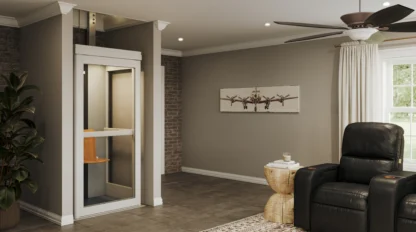
Modern residential elevators are no longer limited to large luxury homes. Compact, shaftless designs — like those offered by Pollock Residential Elevators — are specifically built for retrofit projects, minimal disruption, and aging in place.
In this guide, we’ll explore:
- Warning signs that a home may no longer be safe without a lift
- Physical barriers that indicate a need for improved accessibility
- Behavioral changes linked to mobility struggles
- Site preparation and structural planning
- How to choose the right residential elevator
- What to compare in installation quotes and long-term support
Recognizing Warning Signs of Unsafe Home Mobility
Mobility concerns often appear long before a major fall or injury occurs. Identifying these early warning signs can help homeowners and caregivers make proactive decisions before daily movement becomes dangerous.
Common Physical Warning Signs
- Frequent slips or near-falls
- Difficulty climbing stairs without resting
- Grabbing railings, walls, or furniture for support
- Trouble carrying laundry, groceries, or household items upstairs
- Pain, fatigue, or shortness of breath while moving between floors
- Hesitation or fear around stairs
Home hazards can also dramatically increase fall risks.
Clutter — including rugs, loose wires, pet toys, or crowded walkways — significantly increases trip-and-fall risk at home. Raised thresholds and uneven flooring can also create dangerous stumbling points for walkers, canes, wheelchairs, and reduced-balance users.
What Is a Mobility Hazard?
A mobility hazard is any physical feature or daily activity in the home that creates an increased risk of injury due to challenges with balance, walking, strength, or the use of mobility aids. These hazards can make ordinary movement unsafe for older adults or individuals with disabilities.
At-Home Safety Checklist
Use this simple checklist to identify possible mobility hazards:
| Potential Hazard | Present in Home? |
| Loose rugs or mats | ☐ |
| Uneven flooring or thresholds | ☐ |
| Poor stair lighting | ☐ |
| Cluttered walkways | ☐ |
| Steep or narrow staircases | ☐ |
| Lack of handrails | ☐ |
| Tight wheelchair turning areas | ☐ |
| Frequently avoided rooms or floors | ☐ |
Physical Barriers That May Indicate the Need for a Lift
Some homes become increasingly difficult to navigate safely because of their physical layout — even when ramps or stair lifts are installed.
Architectural Challenges That Create Accessibility Risks
- Split-level floorplans
- Narrow hallways and doorways
- Tight wheelchair turning areas
- Steep staircases
- Winding or curved stairs
- Multi-story homes without first-floor living
In many cases, stair lifts or ramps only partially solve accessibility challenges. They may not accommodate wheelchairs comfortably, preserve caregiver safety, or provide full-floor access.
Larger cabin models and wider door openings in residential elevators are often more wheelchair friendly and practical for long-term mobility needs.
What Is a Platform Lift?
A platform lift is a mobility device designed to carry wheelchairs or users vertically between short elevation changes where ramps may not be practical.
What Is a Compact Residential Elevator?
A compact residential elevator is a space-efficient home elevator designed to fit into existing homes with minimal renovation or structural disruption.
When an Elevator May Be the Better Solution
Residential elevators are often more suitable when:
- Full wheelchair accessibility is required
- Multiple users need assistance
- Staircases are narrow or curved
- The home has several levels
- Future aging-in-place planning is important
- Carrying items between floors has become unsafe
Behavioral Changes That Suggest Reduced Home Safety
Sometimes the clearest signs of declining home safety are behavioral rather than physical.
When homeowners quietly begin changing their routines to avoid mobility challenges, it often signals that parts of the home are no longer functioning safely.
Common Behavioral Clues
- Sleeping on the first floor to avoid stairs
- Avoiding nighttime bathroom trips upstairs
- Leaving laundry unfinished because stairs feel unsafe
- Spending less time on upper levels
- Limiting social activities at home
- Avoiding carrying items between floors
When important rooms go unused due to fear or difficulty navigating stairs, the second floor effectively becomes inaccessible.
Accessibility barriers can also erode independence and create emotional strain for both homeowners and caregivers.
Behavioral Clues and Possible Solutions
| Behavioral Change | Potential Accessibility Solution |
| Avoiding stairs entirely | Residential elevator |
| Fatigue climbing stairs | Stair lift or elevator |
| Wheelchair transfer difficulties | Platform lift or elevator |
| Caregiver strain assisting mobility | Residential elevator |
| Reduced use of upper floors | Elevator installation |
Assessing Existing Equipment and Mobility Systems
Older home elevators, lifts, or mobility devices can become safety concerns themselves if they lack modern features or proper maintenance.
When Older Equipment Becomes a Risk
If a home elevator is more than 10 years old, it may be time to schedule a modernization assessment.
Older systems may lack important safety technologies such as:
- Door interlocks
- Emergency lowering systems
- Battery backup
- Sensor monitoring
- Modern diagnostics
Gate and landing door interlocks help prevent operation unless the cab is properly aligned with the landing.
What Is a Certified Technician?
A certified technician is a trained and authorized professional qualified to inspect, install, maintain, and repair residential elevator systems according to industry safety standards and manufacturer requirements.
Homeowners should always work with certified technicians and authorized dealers for installations and repairs.
Modern Smart Monitoring Features
Some newer systems now include IoT-based monitoring that tracks:
- Motor performance
- Door cycles
- Vibration patterns
- Energy usage
These systems can help identify maintenance concerns before failures occur.
Planning for Site Preparation and Structural Modifications
One of the biggest misconceptions about residential elevators is that installation always requires major construction.
Modern compact elevator systems often use self-supporting structures that require minimal renovation and no large machine room or deep pit.
Important Site Preparation Considerations
Before installation, professionals typically evaluate:
- Available floor space
- Structural support requirements
- Electrical supply access
- Floor strength
- Travel path between levels
Simple Site Preparation Checklist
- Schedule a professional home assessment
- Document mobility concerns and safety risks
- Evaluate structural and electrical requirements
- Clear installation areas of furniture and clutter
- Coordinate installation timing for minimal disruption
- Review permitting and project timelines with installers
Working closely with certified installers helps ensure the safest and most efficient installation plan for your home.
Choosing the Right Residential Elevator for Your Home and Budget
Choosing a residential elevator involves balancing accessibility needs, home design, future planning, and budget.
What Is a Residential Elevator?
A residential elevator is a compact lift system designed specifically for private homes, offering safe and convenient multi-floor access for individuals with mobility limitations.
Factors to Prioritize
| Consideration | Why It Matters |
| Mobility needs | Determines cabin size and accessibility features |
| Home layout | Influences installation complexity |
| Wheelchair access | May require wider doors or larger cabins |
| Aesthetics | Impacts finishes and visibility |
| Future needs | Helps avoid costly upgrades later |
| Budget | Shapes model and feature selection |
Compact elevator systems are often ideal for retrofit applications because they fit into smaller spaces with less construction.
Understanding Cost Differences
Residential elevator pricing varies widely depending on system type and installation complexity.
- Home elevators can cost $35,000 or more
- Stair lifts typically range from $2,500–$8,000 installed
- Major first-floor remodeling projects can average over $100,000
For many homeowners, installing an elevator may ultimately be less disruptive and more cost-effective than large-scale home renovations or relocation.
Modern systems may also include:
- Energy-efficient standby modes
- Smart home integrations
- Vacuum-driven lift technology
- Quiet operation features
Comparing Residential Elevator Installation Quotes
Not all elevator installation proposals include the same services, warranties, or construction scope.
Comparing quotes carefully helps homeowners avoid hidden costs and ensure long-term support.
What to Compare in Elevator Quotes
| Quote Component | Why It Matters |
| Elevator model/specifications | Confirms capacity and feature differences |
| Site preparation costs | Prevents surprise construction expenses |
| Installation timeline | Helps coordinate scheduling |
| Warranty coverage | Protects long-term investment |
| Maintenance plans | Ensures ongoing support |
| Safety features included | Confirms compliance and backup systems |
| Certified installation | Ensures proper setup and inspections |
Always confirm that quotes include:
- Battery backup systems
- Emergency lowering features
- Door interlocks
- Certified installation
- Ongoing service support
Working with an authorized dealer network also provides stronger long-term reliability and maintenance support.
Next Steps: Moving From Concern to Action
Recognizing mobility challenges early can help homeowners avoid injuries, preserve independence, and remain comfortable in the home they love.
The next step is usually a professional home-safety assessment from a certified residential elevator dealer or mobility expert.
Helpful Steps Before Your Consultation
- Document recurring near-falls or mobility concerns
- Note rooms or floors that are being avoided
- Identify physical barriers around the home
- Consider long-term lifestyle goals
- Research compact retrofit elevator options
For many families, the right residential elevator is not just about convenience — it’s about restoring confidence, preserving independence, and making home feel safe again.
Pollock Residential Elevators specializes in compact, retrofit-friendly solutions designed to minimize disruption while maximizing accessibility and long-term comfort.
Frequently Asked Questions
What are common signs that transfers are unsafe without a lift?
Frequent slips, physical exhaustion during movement, caregiver strain, or fear around transfers are all strong signs that additional mobility support may be needed.
When do stairs indicate a need for a stair lift or elevator?
If stairs cause fatigue, fear, hesitation, or certain areas of the home are being avoided entirely, it may be time to consider a stair lift or residential elevator.
How can caregiver strain signal the need for a home elevator?
Persistent back pain, exhaustion, or emotional burnout from assisting with mobility often indicate that safer accessibility solutions are needed.
What home setup changes suggest unsafe mobility without a lift?
Sleeping downstairs, avoiding upper floors, rearranging living spaces, or limiting movement throughout the home are all signs that accessibility barriers may be impacting safety.
When should aging or malfunctioning home lifts be replaced?
If a home lift breaks down frequently, lacks modern safety features, or is more than 10 years old, a professional modernization assessment is strongly recommended.
Last Thoughts
Are you ready to learn more about how you can add a lift to your home for safer, increased home accessibility? Contact us today to speak with a local Pollock expert in your area for a free consultation!
Interested in Becoming a Distributor?
If you are looking to expand your product offerings or trying to reach a new market, then the Pollock Residential Elevator could be perfect for you. Reach out to our team to learn more.