How to Choose the Right Home Elevator for Your Needs
January 22, 2026
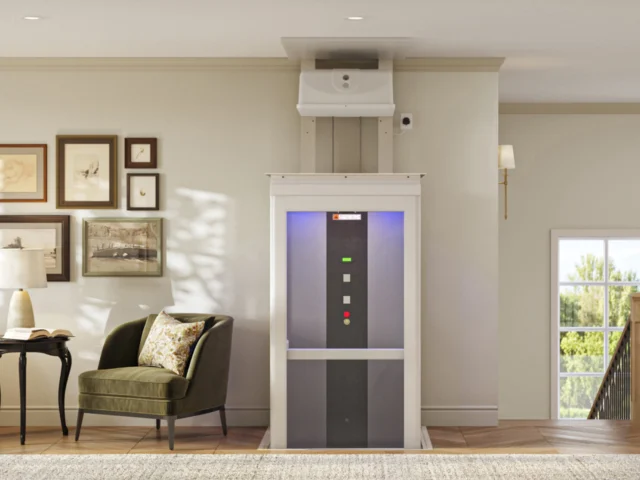
Choosing a home elevator can feel overwhelming—especially if you’re new to accessibility planning. With multiple elevator types, layouts, and features available, many homeowners ask:
“Which type of home elevator will actually work for my home and lifestyle?”
This guide breaks it down in simple terms, using real-life situations to help you understand your options. Whether you’re planning ahead, supporting a loved one, or adapting your home for accessibility, you’ll learn how to choose the right elevator—and why a shaftless residential elevator is a standout solution for many households.
Start With Your Situation (Not the Product)
Before comparing elevator types, ask yourself:
- Are you seeking to age in place?
- Do you use a wheelchair, mobility scooter, powerchair, or walker?
- Is this a short-term need after surgery—or long-term planning?
- Do you live in a multi-story home?
- Are you retrofitting an existing house or building new?
Your answers help determine which elevator style fits best.
Common Home Elevator Types (And Who They’re Best For)
Hydraulic Elevators
Best for: Large homes, new construction, luxury builds
Hydraulic elevators use a piston system and typically require:
- A dedicated shaft
- Machine room space
- More structural work
Good choice if:
- You’re building a new home
- Space isn’t an issue
- You want a traditional elevator feel
Not ideal if:
- You’re retrofitting
- You want minimal construction
Traction Elevators
Best for: Tall homes, frequent use
These use a motor and counterweight system.
Good choice if:
- You want energy efficiency
- You have multiple floors
- Noise reduction is important
Considerations:
- Higher install complexity
- More space required
Pneumatic (Vacuum) Elevators
Best for: Modern homes, minimal construction
Uses air pressure and a cylindrical cab.
Good choice if:
- You want a sleek look
- Limited floor modification
- Smaller footprint
Limitations:
- Smaller cab size
- Lower weight capacity
Shaftless & Compact Elevators
Best for: Retrofits, aging in place
These elevators:
- Require less construction
- Fit into existing homes
- Install faster
Great option if:
- You don’t want major remodeling
- You need accessibility now
- You’re staying in your home long-term
Why Pollock’s Winding Drum Elevator Stands Out as A Shaftless Elevator
Pollock specializes in winding drum elevators—a powerful, efficient solution designed specifically for residential use.
What Is a Winding Drum Elevator?
A winding drum system:
- Uses a steel cable wrapped around a drum
- Moves the cab smoothly between floors
- Is compact and space-efficient
- Does not require a machine room
Real-Life Scenarios Where Pollock Is the Right Fit
“I’m aging in place and want to stay in my home.”
Pollock elevators:
- Fit into existing homes
- Require minimal structural changes
- Support long-term accessibility
“I use a wheelchair.”
Pollock elevators:
- Offer wheelchair-friendly cab sizes
- Provide smooth, stable travel
- Support caregiver access
“I don’t want a big construction project.”
Winding drum systems:
- Install faster
- Require less remodeling
- Reduce disruption
“My home has limited space.”
Pollock’s compact footprint:
- Works in tight layouts
- Fits closets or corner spaces
- Preserves home aesthetics
“I want something reliable and low-maintenance.”
Winding drum elevators:
- Proven residential technology
- Energy-efficient
- Designed for daily use
Why Homeowners Choose Pollock
At Pollock, every design decision focuses on:
- Accessibility
- Safety
- Real-life usability
- Long-term reliability
Pollock elevators are:
- Designed specifically for homes
- Installed by trained professionals
- Supported long after installation
How to Know If Pollock Is Right for You
Pollock may be the best fit if:
- You’re retrofitting an existing home
- You want minimal construction
- You use a wheelchair or mobility aid
- You’re planning for aging in place
- You want quiet, smooth operation
A professional home assessment will confirm fit.
Frequently Asked Questions
Is a winding drum elevator safe?
Yes. Pollock elevators meet safety codes and include emergency features for peace of mind.
How much space does a Pollock elevator need?
Less than many traditional elevators. A professional assessment determines exact requirements.
Is Pollock good for wheelchair users?
Yes. Cab sizes can accommodate wheelchairs and caregivers.
Is it cheaper than hydraulic elevators?
Often, yes—because it requires less construction and no machine room.
Can Pollock be installed in an existing home?
Absolutely. Pollock elevators are ideal for retrofits.
Are You Ready?
Choosing a home elevator isn’t about picking a brand—it’s about choosing the right solution for your life.
For many homeowners, Pollock’s winding drum elevator offers the perfect balance of:
- Accessibility
- Minimal construction
- Long-term value
- Everyday comfort
If you’re unsure which elevator type fits your needs, a Pollock-trained professional can walk you through your options and create a plan tailored to your home and lifestyle. Speak with a local, certified Pollock dealer in your area!
Interested in Becoming a Distributor?
If you are looking to expand your product offerings or trying to reach a new market, then the Pollock Residential Elevator could be perfect for you. Reach out to our team to learn more.