How to Ask for Help as a Caregiver: A Practical Guide to Reclaiming Your Balance
April 14, 2026

Caring for someone you love can feel like an honor—and a full-time job you never clock out from.
You might be managing medications, coordinating appointments, cooking meals, handling mobility challenges, and offering emotional support, all while trying to maintain your own life. Somewhere along the way, it can start to feel like you’re the only one who can do it right.
And that’s where the caregiver paradox begins.
The moment you need help the most is often the moment you feel least able to ask for it.
This guide is here to change that.
If you’re feeling overwhelmed, stretched thin, or quietly burning out, you’re not failing—you’re human. And learning how to ask for help as a caregiver isn’t just important—it’s essential for caregiver burnout prevention and long-term sustainability.
But Wait – What Is Caregiver Burnout?
Before we dig into how to ask for help, it’s important to learn about the signs that might be indicating that your body is seriously saying, “No, really, we need help over here.” Caregiver burnout is a state of physical, emotional, and mental exhaustion that happens when someone is caring for another person for an extended period (often without enough rest, support, or help.
What it looks like:
- Constant fatigue (even after sleeping)
- Feeling overwhelmed, irritable, or emotionally drained
- Anxiety, sadness, or even resentment toward the situation
- Losing interest in things you used to enjoy
- Trouble concentrating or making decisions
- Physical symptoms like headaches, body aches, or getting sick more often
Does this sound familiar? Because caregiving is nonstop, it’s easy for it to lead to losing out on personal time, feeling isolated, guilt for wanting a break, and the pressure to “do it all.”
What Is the Best Way to Ask for Help as a Caregiver?
It can be tough coming to terms with needing assistance, but you’ve done a great job getting there. Now comes the hard part: Actually asking for help. We’re here to help you so you don’t have to do the heavy lifting alone. Consider these ideas:
- Be specific about what you need and when
- Offer simple, time-bound requests
- Give people options so they can choose how to help
- Use tools or apps to help coordinate support without the overwhelm
- Accept help even if it’s not done perfectly
Why Is It So Hard to Ask? Overcoming the Mental Barriers
Before you can ask for help, it’s important to understand what’s holding you back. For most caregivers, it’s not a lack of support—it’s the internal roadblocks.
1. The Guilt Factor
Guilt is one of the biggest barriers to seeking support for family caregivers.
You may think:
- “This is my responsibility.”
- “They took care of me—I should be able to handle this.”
- “I shouldn’t need help.”
But needing help doesn’t mean you’re falling short. It means the situation requires more than one person—which is often true in caregiving.
2. The Burden Myth
Many caregivers hesitate because they don’t want to “bother” others.
Here’s the truth:
Most people want to help—they just don’t know how.
When someone says, “Let me know if you need anything,” they’re often sincere. They’re just waiting for direction.
3. The Control Struggle
Letting go of control can feel risky.
You might worry:
- “They won’t do it the right way.”
- “It’s easier if I just do it myself.”
And sometimes that’s true—in the short term. But in the long term, doing everything yourself is a fast track to burnout.
4. Predicting a “No”
Caregivers often talk themselves out of asking before they even try.
- “They’re too busy.”
- “They probably won’t want to help.”
- “It’s not worth asking.”
This is called self-silencing—and it quietly reinforces isolation.
Identifying What You Actually Need Help With
Before you can delegate, you need clarity.
This is where an energy audit comes in.
Step 1: List Everything You Do in a Week
Break it into categories:
Medical Tasks
- Scheduling appointments
- Managing medications
- Transportation
Household Tasks
- Cooking
- Cleaning
- Grocery shopping
- Lawn care
Emotional Support
- Companionship
- Conflict management
- Decision-making
Step 2: Separate “Only Me” vs. “Anyone Can Help”
Ask yourself:
- What truly requires my involvement?
- What could someone else handle—even imperfectly?
You’ll likely find that many tasks are delegable caregiving tasks.
Step 3: Break Big Tasks into Small Wins
People are more likely to say yes to:
- “Can you pick up a prescription?”
- “Can you sit with Dad for 30 minutes?”
Compared to:
- “Can you help me with everything?”
Small, specific requests lower the barrier to support.
The “Ask” Framework: How to Request Help Effectively
Once you know what you need, the next step is how to ask so you can build your caregiver support network.
1. Be Specific
Vague requests don’t work.
Instead of:
“I need help.”
Try:
“Could you stay with Mom for two hours on Tuesday so I can go to the dentist?”
Clarity removes hesitation.
2. Create a “Menu” of Options
Not everyone can help in the same way—and that’s okay.
Offer choices:
- “Would you rather pick up groceries or sit with Dad for an hour?”
- “Could you help with meals or drive to appointments?”
This empowers people to say yes in a way that fits their life.
3. Use Technology to Coordinate Support
You don’t need to manage everything manually.
Tools like the following will allow you to organize help without sending 20 different texts:
- CaringBridge
- Meal Train
- Lotsa Helping Hands
4. Accept Help Without Rewriting It
This one’s tough.
Someone may not fold towels the “right” way. They might cook differently. They may not follow your exact routine.
But done is better than perfect—especially when your energy is limited.
Looking Beyond Family: Professional and Community Support
Sometimes, family and friends aren’t enough—and that’s not a failure. It’s reality.
Respite Care: Your Reset Button
Respite care provides short-term relief so you can:
- Rest
- Recharge
- Handle your own needs
Even a few hours a week can dramatically improve caregiver stress management.
Community Resources
Many local organizations offer:
- Caregiver support groups
- Volunteer companions
- Transportation assistance
Check with:
- Senior centers
- Religious organizations
- Local nonprofits
Professional Caregivers
At some point, caregiving may shift from doing everything yourself to managing a care team.
This transition can feel big—but it often brings:
- Consistency
- Expertise
- Relief
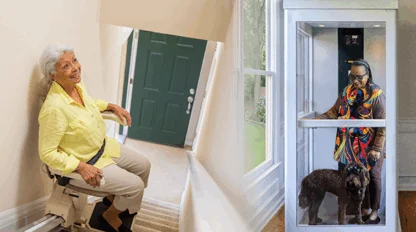
Reducing the Need for Help: The Role of Home Modifications
Here’s something many caregivers don’t hear enough:
Not all support has to come from people.
Sometimes, the most effective way to reduce caregiving strain is to reduce the need for constant assistance in the first place.
Mobility Is One of the Biggest Hidden Burdens
Helping someone navigate stairs, avoid falls, or move safely through their home is physically and emotionally exhausting. And it’s one of the leading contributors to caregiver fatigue.
In-Home Solutions That Give Independence Back
Home modifications like the following can significantly reduce daily caregiving demands.:
The Cost Conversation: Elevator vs. Ongoing Care Expenses
At first glance, installing a home elevator can feel like a major investment.
But here’s the bigger picture.
Option 1: Independent Living Facilities
Monthly costs can range from:
- $3,000 to $6,000+ per month
That’s:
- $36,000–$72,000+ per year
- With no return on investment
- And no ownership
Option 2: Aging in Place with Home Modifications
A home elevator:
- Is a one-time investment
- Adds property value
- Allows your loved one to stay in a familiar environment
More importantly:
- It reduces physical strain on caregivers
- It supports independence
- It can delay or eliminate the need for facility living
The Emotional ROI
Beyond the numbers, there’s something even more valuable:
- Staying in your own home
- Keeping your routines
- Remaining in your community
That sense of home is something no facility can fully replace.
Signs You May Need More Support
Again, if you’re unsure whether it’s time to ask for help, here are some common signs you need help caregiving:
- Constant fatigue, even after rest
- Feeling irritable or emotionally drained
- Skipping your own appointments or needs
- Resentment or guilt creeping in
- Physical strain or injury
The Bottom Line: Asking for Help Is a Strength
Caregiving is one of the most demanding roles a person can take on and you are not meant to do it alone. Learning how to ask for help as a caregiver isn’t giving up—it’s creating a system that allows you to show up better, longer, and healthier for the person you love.
FAQ
What are the signs of caregiver burnout?
How do I ask for help without feeling guilty?
What is respite care and how does it work?
When should a caregiver consider professional help?
Your Next Step (Start Small)
This week, try one thing:
- Identify one small task
- Ask one specific person
- Accept the help without overthinking it
That single step can create momentum and over time, those small shifts can lead to something bigger:
- More balance
- Less stress
- A more sustainable way forward
Final Thought: Support Can Come in Many Forms
Support doesn’t always mean another person stepping in.
Sometimes, it’s:
- A conversation
- A community resource
- Or a change in the home itself
By combining support for family caregivers with smarter solutions—like home modifications—you can reduce stress, restore independence, and create a better experience for everyone involved.
Because caregiving shouldn’t come at the cost of your own well-being.
Interested in Becoming a Distributor?
If you are looking to expand your product offerings or trying to reach a new market, then the Pollock Residential Elevator could be perfect for you. Reach out to our team to learn more.