How Much Does an Elevator Cost and How Can I Pay for It?
December 16, 2025
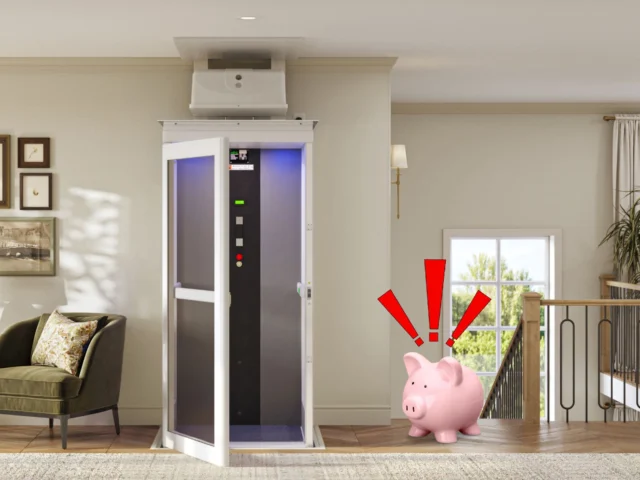
Installing a residential elevator is a meaningful investment in safety, independence, and long-term comfort. Naturally, one of the first questions homeowners ask is: How much does a home elevator cost—and how can I pay for it?
The good news is that there are multiple payment options available, and experienced Pollock home elevator dealers are well-equipped to help homeowners navigate them. Below is a breakdown of typical costs, common payment methods, and potential financial resources that may help offset expenses.
How Much Does a Residential Elevator Cost?
The cost of a residential elevator can vary based on home layout, model selection, finishes, and installation requirements. For a Pollock shaftless, winding drum home elevator, homeowners can typically expect:
- Estimated price range (elevator + installation):
Approximately $35,000–$60,000+
Factors that influence final cost include:
- Number of floors
- Elevator size and configuration
- Finish and design selections
- Electrical or structural modifications
- Local permitting and inspection requirements
During an in-home consultation, an authorized Pollock dealer will provide a detailed proposal so homeowners understand exactly what’s included—no surprises.
Common Payment Options for Residential Elevators
Paying Out of Pocket
Some homeowners choose to pay directly using savings or other personal funds. While this option avoids financing costs, it may not be the most practical approach for every household—especially when planning for long-term accessibility.
Dealer-Offered Payment Plans and Financing
Many authorized Pollock dealers offer payment plans or financing options, allowing homeowners to spread costs over time.
These plans may include:
- Monthly payment options
- Flexible term lengths
- Competitive interest rates, depending on credit approval
Dealer financing can make residential elevators more accessible by reducing upfront financial strain. Your local dealer can explain available options and help determine what works best for your budget.
Home Equity Loans or Lines of Credit (HELOCs)
Some homeowners use home equity loans or HELOCs to fund accessibility upgrades. Because residential elevators can support aging in place and potentially improve marketability, they’re often viewed as a long-term home investment.
Grants, Assistance Programs, and Other Funding Options
While residential elevators are not typically covered by traditional health insurance, there may be financial assistance options available depending on individual circumstances.
Potential resources include:
- Veterans benefits (such as VA grants for eligible veterans with service-connected disabilities)
- State or local accessibility grants, which vary by location
- Nonprofit or community-based programs focused on aging or disability access
Availability and eligibility differ widely, and funds are often limited. A knowledgeable dealer may help point homeowners toward relevant programs, though approval is never guaranteed.
Insurance Coverage: What to Know
In most cases, private health insurance and Medicare do not cover residential elevators, as they are considered home modifications rather than medical equipment.
However, elevators may still reduce long-term healthcare costs by helping prevent falls, supporting independence, and delaying the need for assisted living or institutional care.
Why Talking to a Dealer Matters
An authorized Pollock dealer does more than sell and install an elevator—they help homeowners understand the full financial picture.
Dealers can:
- Explain realistic pricing for your specific home
- Review available financing or payment plans
- Help identify potential grants or assistance programs
- Coordinate timelines to align with budget planning
Having these conversations early allows homeowners to plan confidently and avoid unexpected expenses.
To Sum It Up
Residential elevators are an investment in safety, independence, and peace of mind—and they don’t have to be financially overwhelming. With a range of payment options, potential assistance programs, and dealer-supported financing, many families find that installing a home elevator is more achievable than they initially expected.
Ready to explore your options?
Visit our Contact page to be connected with a trained professional from Pollock to better understand pricing, payment plans, and the best path forward for your mobility and aging-in-place needs.
Interested in Becoming a Distributor?
If you are looking to expand your product offerings or trying to reach a new market, then the Pollock Residential Elevator could be perfect for you. Reach out to our team to learn more.