How Home Elevators Improve Safety for Families and Seniors
December 12, 2025
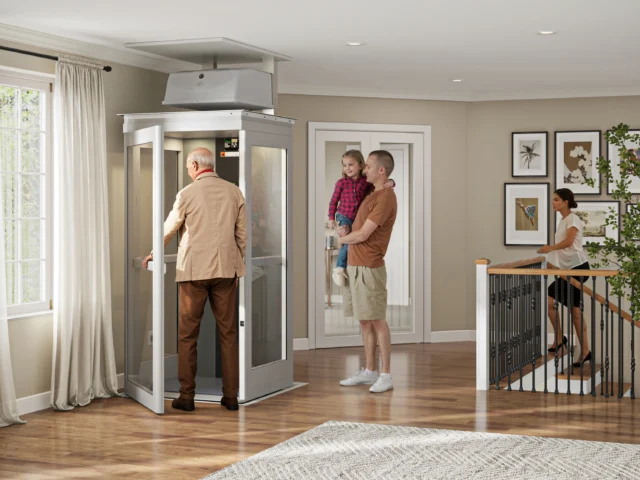
Modern homes are increasingly shared by multiple generations—aging parents, busy adults, young children, and everyone in between (even your furry family members!). While this togetherness has its benefits, it also introduces real safety challenges, especially in multi-story homes.
Stairs can quickly become one of the most hazardous areas of a house. Whether it’s an older family member navigating steps daily, a parent carrying a child or laundry, or kids racing up and down, the risk of injury is constant. These risks don’t just cause physical harm—they can limit independence, create stress, and disrupt daily life.
Home elevator safety solutions, like residential elevators from Pollock, offer a reliable way to eliminate these challenges. By providing safe, comfortable access between floors, home elevators help families protect loved ones, preserve independence, and create a safer living environment for every age.
Home Elevators Help Prevent Stair Falls
Staircases are one of the most common places for falls in residential homes. For many households, stairs are unavoidable—but they don’t have to be dangerous.
Home elevators eliminate the need to navigate stairs altogether, offering a smooth, controlled, and dependable alternative. This is especially important when you consider that there are approximately 1 million stair-related injuries in the U.S. each year, according to published medical research.
By replacing repeated stair use with a residential elevator, families can significantly reduce fall risk while making everyday movement throughout the home easier and safer.
Home Elevators Help Prevent Falls While Carrying Children, Heavy Items, and More
Stair falls aren’t only a concern for seniors. In fact, research shows that people between the ages of 11 and 60 account for nearly two-thirds of stair-related injuries.
Falls can happen to anyone—particularly when everyday life gets in the way. Common risk scenarios include:
- Carrying laundry between floors
- Caring for or carrying children
- Bringing in groceries
- Managing luggage
- Moving furniture or other heavy household items
Home elevators remove these hazards by allowing people to transport themselves and their belongings safely and securely—without the strain, imbalance, or risk associated with stairs.
Independence for Aging Family Members
One of the greatest benefits of home elevators is the independence they provide. Residential elevators allow aging family members to move freely throughout the home without relying on caregivers or loved ones for assistance.
This independence supports a dignified, barrier-free lifestyle while reducing the need for full-time support. For many families, it also eases caregiver stress and allows loved ones to focus on meaningful connection, rather than constant physical assistance.
Elevators Can Promote Healthy Lifestyles
Greater independence encourages movement. With safe access to all floors of the home, aging adults are more likely to stay active—helping preserve muscle strength, balance, and bone density over time.
Rather than avoiding stairs entirely or limiting activity to one level of the home, elevators support safe mobility without encouraging inactivity.
Elevators Can Help Avoid Isolation
When stairs become a barrier, seniors may unintentionally isolate themselves—spending long periods alone while waiting for assistance.
Home elevators restore access to shared living spaces, allowing older family members to interact more easily with loved ones. This increased engagement can positively impact mental health, emotional well-being, and overall quality of life.
Elevators Are Safer for Children
Home elevator safety isn’t just about older adults—it’s also about protecting younger family members.
Stairs are a leading cause of injury for children. Each year, more than 90,000 children under the age of 5 are treated in emergency rooms for stair-related falls, with head injuries being especially common. Children under 5 experience some of the highest injury rates on stairs, and those 10 and under are more likely to suffer head and neck injuries than other age groups.
By reducing or eliminating stair use, home elevators can help families create a safer environment for children—particularly in busy households where supervision isn’t always perfect.
Built-In Safety Features of Home Elevators
Modern residential elevators are engineered with safety as a top priority. Common built-in safety features may include:
- Full-height cab walls and doors
- Smooth, controlled starts and stops
- Non-slip flooring
- Automatic door locks
- Weight-sensing systems
- Emergency stop buttons
These features work together to create a secure, reliable ride that homeowners can trust every day.
Emergency Features of Home Elevators
Home elevators are also designed to perform safely during unexpected situations, such as power outages. Emergency features may include:
- Battery-powered or backup lowering systems
- Emergency lighting
- Alarm or communication systems
These systems ensure passengers can exit the elevator safely and comfortably, even during temporary power disruptions—providing peace of mind for families.
Other Benefits of Home Elevators
Beyond safety, residential elevators offer long-term advantages for homeowners, including:
- Future-proofing your home for changing mobility needs
- Supporting aging in place without costly renovations later
- Potentially increasing property value and market appeal
A home elevator is not just a safety solution—it’s an investment in comfort, accessibility, and long-term livability.
Conclusion
Installing a home elevator can go a long way in making your home safer for family members of all ages—from young children to aging parents and everyone in between. By reducing fall risks, supporting independence, and providing reliable mobility, residential elevators help families live more comfortably and confidently in their homes.
Ready to explore your options?
Speak with one of our certified Pollock Residential Elevator technicians today to better understand your mobility needs and discover how a residential elevator can help you safely enjoy your home and independence.
Interested in Becoming a Distributor?
If you are looking to expand your product offerings or trying to reach a new market, then the Pollock Residential Elevator could be perfect for you. Reach out to our team to learn more.