How Home Elevators Improve Accessibility and Independence
January 5, 2026
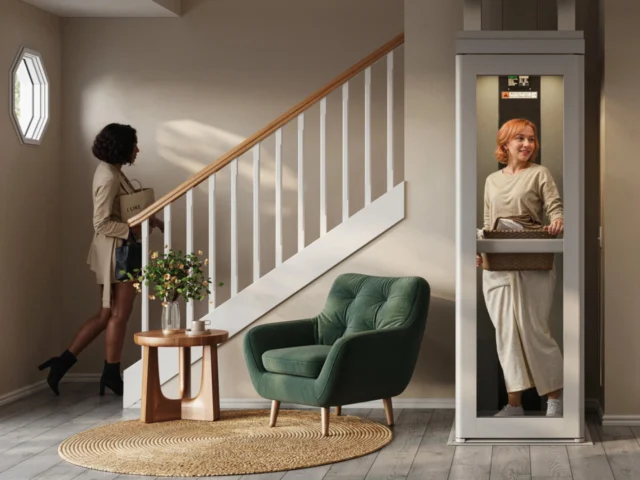
As more homeowners look for ways to age in place comfortably and safely, accessibility has become a central part of home design. For many families, stairs are the single greatest barrier to independence—limiting movement, increasing fall risk, and forcing difficult lifestyle compromises.
That’s where home elevators come in. Once considered a luxury, today’s residential elevators are increasingly recognized as a practical, long-term solution for improving accessibility, preserving independence, and supporting mobility at every stage of life.
Whether you’re planning for the future, accommodating a current mobility need, or designing a home with long-term accessibility in mind, home elevators play a powerful role in creating safer, more inclusive living spaces.
What Accessibility Means in a Multi-Level Home
Accessibility isn’t just about meeting minimum requirements—it’s about ensuring every area of a home is usable, comfortable, and safe for the people who live there.
In multi-level homes, stairs are often the biggest obstacle. As mobility changes over time, stairs can become a daily challenge, limiting access to bedrooms, bathrooms, or essential living spaces. True accessibility means eliminating those barriers entirely.
Home elevators address this challenge by restoring full access to every level of the home—without requiring relocation or major lifestyle changes. They support universal design principles that benefit people of all ages and abilities.
How Home Elevators Improve Accessibility
Removing Vertical Barriers
The most significant benefit of a home elevator is simple: it removes the need to navigate stairs. For individuals using wheelchairs, walkers, or mobility aids, this creates immediate and meaningful access to the entire home.
Instead of reorganizing life around one level, residents can move freely between floors—safely and independently.
Reducing Physical Strain and Fall Risk
Climbing stairs places strain on joints, muscles, and balance systems. Even for those without a diagnosed mobility issue, stairs can become increasingly challenging over time.
Home elevators help:
- Reduce the risk of falls
- Minimize fatigue and joint strain
- Support safer movement throughout the day
This added safety is especially valuable for seniors, individuals recovering from injury, or those managing chronic conditions.
Supporting Emotional Well-Being and Independence
Accessibility isn’t only physical—it’s emotional. Losing access to parts of one’s home can lead to frustration, isolation, and a sense of lost independence.
By restoring full access, home elevators:
- Preserve autonomy
- Reduce reliance on caregivers
- Promote confidence and peace of mind
Being able to move freely through one’s home reinforces dignity and quality of life.
Who Benefits Most from Home Elevators?
Seniors Aging in Place
Home elevators allow older adults to remain in the homes they love while reducing the risks associated with stairs. This makes aging in place safer, more comfortable, and more sustainable over time.
Individuals Using Mobility Aids
For people who use walkers, wheelchairs, or other assistive devices, elevators provide reliable, barrier-free movement between floors—something stairlifts or ramps may not fully accommodate.
Households Planning for the Future
Even families without immediate mobility needs benefit from planning ahead. Installing an elevator during a renovation or new build can future-proof the home and prevent costly retrofits later.
Key Accessibility Features in Home Elevators
Spacious Cab Design
Modern home elevators are designed to accommodate wheelchairs, caregivers, or mobility devices comfortably, ensuring safe and easy use.
Smooth, Controlled Operation
Gentle starts and stops reduce physical strain and enhance user confidence, especially for those with balance concerns.
Accessible Controls and Safety Features
Large, easy-to-use controls, emergency communication systems, and automatic doors make operation intuitive and secure.
Reliable Backup Systems
Battery backups and safety mechanisms ensure continued operation during power interruptions, supporting consistent access.
Home Elevators vs. Other Accessibility Solutions
Compared to Stairlifts
While stairlifts can help in certain situations, they often limit users to seated travel and may not accommodate wheelchairs or caregivers. Home elevators offer greater flexibility and long-term usability.
Compared to Ramps or Platform Lifts
Ramps require significant space and may not be practical for multi-story homes. Platform lifts work well in some cases but often serve more specific use cases. Home elevators provide a comprehensive, whole-home solution.
Designing an Accessible Home Elevator
Thoughtful Planning Matters
Key considerations include:
- Cab size and weight capacity
- Door placement and clearances
- Integration with existing floor plans
Professional assessment ensures the elevator fits seamlessly into the home.
Aesthetic Integration and Home Value
Today’s residential elevators are designed to complement home interiors with customizable finishes and styles—enhancing both function and appearance.
Accessibility and Aging in Place
Planning ahead is one of the most effective ways to maintain independence over time. Home elevators allow homeowners to remain in their homes longer, reducing the need for future renovations or relocation.
By addressing accessibility proactively, families can reduce stress and ensure continuity of lifestyle as needs evolve.
Professional Installation and Long-Term Support
Proper installation is essential to performance and safety. Working with experienced professionals ensures:
- Code-compliant installation
- Reliable operation
- Ongoing maintenance and support
This partnership is key to long-term satisfaction and peace of mind.
Why Choose Pollock for Home Elevator Solutions
Pollock specializes in thoughtfully designed residential elevators that prioritize safety, comfort, and accessibility. With expert guidance, customized solutions, and long-term service support, Pollock helps homeowners create spaces that adapt to life’s changes.
From initial consultation to final installation, Pollock focuses on delivering solutions that enhance independence and improve everyday living.
To Sum it Up
Home elevators play a vital role in improving accessibility, promoting independence, and supporting long-term living at home. By removing physical barriers and creating a safer, more navigable environment, they empower individuals to live with confidence and dignity.
Whether you’re planning for the future or addressing a current need, a home elevator can transform the way you experience your home—today and for years to come. Are you ready to learn more about how a home lift can best help your home access needs? Contact a certified Pollock installer today!
Interested in Becoming a Distributor?
If you are looking to expand your product offerings or trying to reach a new market, then the Pollock Residential Elevator could be perfect for you. Reach out to our team to learn more.