Most people schedule routine eye exams, dental cleanings, and annual physicals without waiting for something to go wrong. Fall prevention deserves the same proactive attention.
Falls are not an inevitable part of aging. However, the risk can increase gradually as vision, hearing, balance, muscle strength, medications, and the home environment change. These shifts may be easy to overlook until a stumble, near-fall, or serious injury brings them into focus.
Current data makes early action especially important. Falls are the leading cause of injury-related death among adults 65 and older in the United States. According to the Centers for Disease Control and Prevention (CDC), the age-adjusted fall death rate increased 21% between 2018 and 2024—from 64.7 to 78.4 deaths per 100,000 older adults. More than one in four older adults falls each year, yet fewer than half tell their healthcare provider. CDC data on older adult falls
That silence matters. A minor stumble may not cause an injury, but it can provide valuable information about changing balance, muscle strength, vision, blood pressure, medication side effects, or hazards around the home.
Senior fall prevention should begin before a serious accident. A proactive fall risk assessment is not a declaration that someone can no longer live independently. It is a practical health check designed to protect mobility, confidence, and the ability to remain at home.
Why Falls Are More Dangerous Than People Realize
A fall can affect much more than the part of the body that is initially injured. Older adults may face a greater risk of fractures, head injuries, hospitalization, and complications during recovery.
The physical effects can extend beyond the original injury
Bones may become more vulnerable to fractures as people age, particularly when osteoporosis or low bone density is present. Healing can also take longer, especially for someone managing diabetes, circulatory problems, heart disease, or other chronic conditions.
Each year, older adult falls lead to approximately:
- 3 million emergency department visits
- 1 million hospitalizations
- 319,000 hospitalizations for hip fractures
Falls are also the most common cause of traumatic brain injuries. CDC facts about falls
Hospitalization can introduce additional challenges. Time spent in bed may contribute to weakness and reduced endurance, while an unfamiliar environment, disrupted sleep, new medications, pain, and stress can make recovery more complicated. Some older adults return home with less strength or confidence than they had before the fall.
This is why preventing the injury is often much easier than rebuilding mobility afterward.
Fear can restrict life even when the body heals
The psychological impact of a fall or near-fall can be just as significant.
After stumbling, a person may stop walking outside, avoid the stairs, decline social invitations, or rely more heavily on family members. These choices can feel protective in the short term. Over time, however, reduced activity can weaken the muscles needed for balance and everyday movement.
A difficult cycle may develop:
- A person stumbles or feels unsteady.
- Fear causes them to move less.
- Reduced activity leads to loss of strength and balance.
- Everyday movements begin to feel more difficult.
- Fear and fall risk increase further.
The goal of fall prevention is not to discourage movement. It is to make movement safer and more sustainable.
Why So Few Seniors Report Falls
Why do seniors not report falls or near-falls? Often, the answer has less to do with the fall itself and more to do with what they fear it might represent.
Someone may hesitate to speak up because they:
- Feel embarrassed about losing their balance
- Worry that family members will overreact
- Fear being told they can no longer live alone
- Do not want to give up driving, using the stairs, or completing daily activities
- Assume occasional stumbling is simply part of getting older
- Believe a fall does not matter if no injury occurred
- Do not want to burden caregivers or ask for help
These concerns are understandable. Independence is deeply personal, and conversations about safety can sometimes feel as if others are trying to take control.
A better approach is to treat stumbles as data points rather than failures.
A near-fall may indicate that:
- A new medication is causing dizziness or drowsiness
- Blood pressure drops when standing
- A vision prescription needs to be updated
- Hearing or inner-ear changes are affecting balance
- Leg or core strength has declined
- Footwear no longer provides sufficient support
- A familiar staircase has become more physically demanding
- Lighting is inadequate in a frequently used area
- An infection, dehydration, or other health condition needs attention
Reporting these changes early creates more options. It may allow someone to address a small, modifiable risk before it becomes a major obstacle to living independently.
The Good News: Fall Prevention Actually Works
Preventing falls in older adults does not require eliminating every possible risk or redesigning an entire home overnight. Evidence-based fall prevention programs show that targeted interventions can make a meaningful difference.
A major review of exercise programs for community-dwelling older adults found that exercise reduced the overall rate of falls by approximately 23%. It also reduced the number of people experiencing one or more falls by about 15%. Programs emphasizing balance and functional movement produced particularly valuable results. Cochrane review indexed by PubMed
The most effective strategy depends on the individual. One person may benefit primarily from physical therapy and strength training. Another may need a medication adjustment, better lighting, or a safer way to travel between floors.
In many cases, successful senior fall prevention involves several small improvements working together:
- Practicing balance exercises several times per week
- Reviewing medications with a doctor or pharmacist
- Updating glasses or addressing hearing changes
- Removing a loose rug
- Adding a second handrail or bathroom grab bars
- Wearing more supportive shoes
- Changing how frequently used rooms are arranged
- Reassessing how stairs and entryways are used
These adjustments are not signs of frailty. They are tools for protecting the routines that make independent living possible.
What Fall Prevention Actually Looks Like
A complete fall-prevention plan considers both the person and the environment. Fixing a loose rug will not correct a medication-related blood pressure problem. Similarly, improving balance may not be enough if a staircase or entrance no longer matches someone’s mobility needs.
Ask for a proactive fall risk screening
A fall risk assessment may include questions about recent falls and near-falls, along with checks of gait, balance, muscle strength, blood pressure, medications, vision, feet, footwear, and home hazards.
Do not wait for an annual appointment if there is a noticeable change. Contact a healthcare provider sooner if someone begins:
- Holding walls or furniture while walking
- Struggling to rise from a chair
- Taking shorter or less steady steps
- Avoiding stairs or certain rooms
- Feeling dizzy when standing
- Experiencing new weakness or numbness
- Falling or nearly falling more than once
- Becoming unusually confused or drowsy
Sudden weakness, severe dizziness, fainting, chest pain, a new severe headache, facial drooping, difficulty speaking, or one-sided numbness requires urgent medical attention.
Practice balance and strength exercises
Leg, hip, and core strength support everyday movements such as standing, turning, reaching, and climbing stairs. Balance exercises help the body respond when a surface changes or a foot catches unexpectedly.
Potential exercises may include:
- Sit-to-stand repetitions from a stable chair
- Heel raises while holding a sturdy support
- Side steps along a counter
- Marching in place with support
- Heel-to-toe walking
- Single-leg standing with professional guidance
- Tai chi or structured group balance classes
The right exercises depend on current ability and health conditions. Anyone who already feels unsteady should speak with a physical therapist or other qualified healthcare professional before beginning a new routine. Exercises should be performed near a stable surface—not beside rolling furniture, folding tables, or chairs that enjoy betrayal as a hobby.
Check vision and hearing
Vision helps identify changes in flooring, obstacles, steps, and edges. Hearing contributes to environmental awareness and can also be connected to conditions affecting the inner ear and balance.
The National Institute on Aging recommends regular vision and hearing checks as part of fall prevention. Eyeglass prescriptions should be kept current, and changes in depth perception, dizziness, or balance should be discussed with a professional. National Institute on Aging fall-prevention guidance
Review medications routinely
Some medications can contribute to dizziness, sedation, confusion, blurred vision, slower reactions, or a drop in blood pressure. The risk may increase when multiple prescriptions, over-the-counter products, sleep aids, or supplements interact.
Medication categories that may affect fall risk include:
- Sedatives and sleep medications
- Anti-anxiety medications
- Some antidepressants and antipsychotics
- Opioid pain medications
- Certain antihistamines
- Blood pressure medications
- Diuretics
- Muscle relaxants
- Some medications affecting blood sugar
This does not mean these medications should be stopped. Abruptly discontinuing a prescription can be dangerous. Ask a doctor or pharmacist to review every prescription, over-the-counter medication, vitamin, and supplement—including when each is taken and whether any recent changes correspond with dizziness or unsteadiness.
Home safety adjustments
Home safety adjustments for seniors should support normal routines rather than make the home feel clinical.
Improve lighting
Add bright, even lighting to stairways, halls, bathrooms, bedrooms, and entrances. Nightlights or motion-activated lights can improve visibility during nighttime trips to the bathroom.
Place switches where they can be reached before entering a dark space. Reduce glare where possible and make sure the top and bottom of each staircase are clearly visible.
Create clutter-free paths
Remove cords, boxes, low furniture, and decorative items from walking routes. Secure loose rugs with nonslip backing or remove them. Repair curled carpet edges and uneven flooring.
Frequently used items should be stored within easy reach to reduce climbing, stretching, and unnecessary trips between rooms.
Add correctly installed supports
Grab bars can improve bathroom safety near toilets, showers, and tubs. Handrails should be secure and easy to grip. When possible, stairways should have support on both sides.
Towel racks are not substitutes for grab bars, and a poorly installed safety device may create a false sense of security. Have supports mounted by someone who understands the wall structure and product requirements.
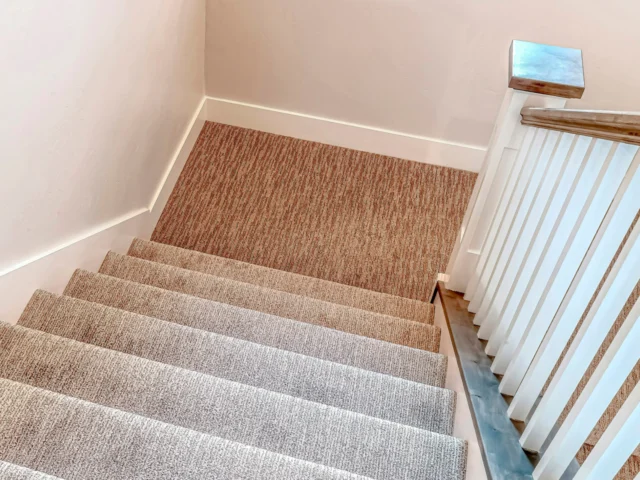
Reassess entrances and stairs
Entering, exiting, and traveling between levels can become difficult before someone experiences a fall.
Watch for signs such as:
- Pausing for a long time before taking the first step
- Pulling heavily on a handrail
- Turning sideways on the stairs
- Carrying items in a way that blocks the view
- Avoiding an upper floor
- Becoming fatigued midway through the staircase
- Struggling with exterior steps in rain or low light
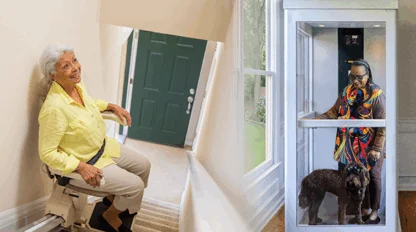
Solutions may include improved rails, brighter lighting, a ramp, a stairlift, a platform lift, or a home elevator. The appropriate choice depends on the person’s mobility, transfer ability, whether they use a walker or wheelchair, the home’s structure, and how their needs may change.
If a stairlift is already installed but transferring onto its seat has become difficult, the answer is not necessarily to stop using the upper floor. A qualified mobility or home-access professional can assess whether the equipment can be adjusted, should be replaced, or whether another solution would provide safer senior mobility support.
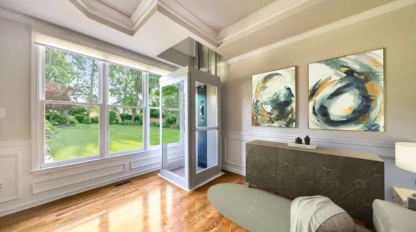
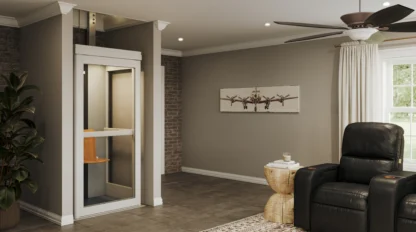
A shaftless home elevator may be worth discussing when someone needs to move between floors without navigating stairs or repeatedly transferring on and off a stairlift. An elevator can also support long-term aging-in-place planning when mobility devices, laundry, or other everyday items need to travel between levels. It should still be selected only after an individualized assessment of the user, home, and applicable installation requirements.
Check footwear
Shoes should fit properly, support the heel, and provide traction. Loose slippers, worn soles, high heels, and walking in socks can increase risk on smooth surfaces.
A podiatrist may be helpful when foot pain, numbness, bunions, swelling, or nail problems interfere with walking.
The CDC’s STEADI Initiative
The CDC STEADI Initiative stands for Stopping Elderly Accidents, Deaths, and Injuries. It gives healthcare providers an evidence-based framework for proactive fall risk screening and prevention.
STEADI is built around three core steps:
- Screen older adults for fall risk.
- Assess modifiable risk factors.
- Intervene using strategies suited to the individual.
Depending on the results, an assessment may lead to medication management, physical therapy, vision care, treatment of low blood pressure, footwear recommendations, home modifications, or other interventions. Learn about the CDC’s STEADI Initiative
Starting the conversation
Patients do not need to wait for a doctor to bring up fall risk. A direct statement can be enough:
“I have not had a serious fall, but I have stumbled a few times and would like a proactive fall risk screening.”
Other useful questions include:
- “Can we use the STEADI approach to review my fall risk?”
- “Could any of my medications or supplements affect my balance or blood pressure?”
- “Would physical therapy help me improve my strength or gait?”
- “Should I have my vision, hearing, feet, or footwear evaluated?”
- “Would an occupational therapist be able to assess my home?”
- “I am having more difficulty with the stairs. Who can evaluate the safest long-term option?”
Caregivers can begin just as respectfully:
“I want to help you keep doing things independently. I noticed the stairs seemed harder this week. Could we ask your doctor whether anything treatable might be contributing?”
Focus on specific observations rather than age. “You held the wall twice yesterday” is more useful and less judgmental than “You’re getting too old to live here safely.”
Finding the Right Support
Fall prevention is often a team effort.
A primary care provider can evaluate medical conditions and coordinate care. A pharmacist can identify medication interactions or side effects. A physical therapist can assess gait, balance, strength, transfers, and the need for an assistive device. An occupational therapist can evaluate how safely someone completes daily activities in their actual environment.
A home-access or safety specialist can assess stairs, bathrooms, entrances, lighting, and mobility equipment. When larger modifications are being considered, the professional should understand accessibility needs, product specifications, construction requirements, and local codes.
Directories such as Seniors Blue Book can help families explore local senior services, including physical therapy, occupational therapy, home health, aging-in-place resources, and home-safety providers. The federal Eldercare Locator can also connect families with Area Agencies on Aging and community programs.
The goal is not to fill a calendar with appointments. It is to identify the few changes most likely to preserve safe movement and independence.
Frequently Asked Questions
Why do minor stumbles and near-falls matter if no one gets hurt?
A near-fall may reveal an early change in balance, strength, vision, blood pressure, medication response, or the home environment. Addressing the cause before an injury occurs can preserve more options and prevent the fear-and-inactivity cycle that often follows a fall.
How often should seniors undergo a fall risk assessment?
Fall risk should generally be discussed during routine healthcare visits, with screening at least annually for adults 65 and older. An earlier assessment is appropriate after any fall, repeated near-falls, new dizziness, medication changes, declining mobility, or increased difficulty with transfers or stairs.
What is the CDC’s STEADI initiative?
STEADI is the CDC’s clinical fall-prevention framework for older adults. Healthcare providers use it to screen for fall risk, assess modifiable risk factors, and recommend targeted interventions.
Which medications increase the risk of falling in older adults?
Medications that cause sedation, dizziness, confusion, blurred vision, slower reaction time, or low blood pressure may contribute to falls. These can include certain sleep aids, anti-anxiety medications, antidepressants, antipsychotics, opioids, antihistamines, blood pressure medications, diuretics, and muscle relaxants. A doctor or pharmacist should review the complete medication list; prescriptions should not be stopped without professional guidance.
What simple home modifications help prevent falls?
Helpful changes may include brighter lighting, nightlights, secure handrails, professionally installed grab bars, nonslip bathroom surfaces, clutter-free walking paths, secured rugs, repaired flooring, and frequently used items stored within reach. Entrances and stairs should also be reassessed as mobility changes.
Can balance and strength really be improved in your 70s or 80s?
Yes. Older adults can improve strength, balance, and functional movement with appropriately designed exercise. Research shows that structured exercise programs can reduce fall rates. A physical therapist can tailor exercises to current ability, medical conditions, and individual goals.
Why are hospital stays after a fall so dangerous for seniors?
A serious fall can lead to surgery, pain, reduced movement, medication changes, sleep disruption, and time away from familiar routines. These factors may contribute to weakness, confusion, loss of endurance, and a more difficult return home. Preventing falls can help avoid both the original injury and the complications that may follow hospitalization.
Where can families find local professionals specializing in fall prevention?
Start with a primary care provider, physical therapist, occupational therapist, pharmacist, local Area Agency on Aging, or qualified home-safety professional. Seniors Blue Book and the Eldercare Locator can also help families identify services available in their community.
Prevention Protects Independence
A fall risk assessment is not a test someone passes or fails. It is a routine opportunity to notice change while there is still time to respond thoughtfully.
The best time to review balance, medications, vision, footwear, stairs, and home safety is not after an ambulance ride. It is after the first moment of uncertainty—or even before it.
By treating senior fall prevention like any other preventive health habit, older adults and their families can replace fear with useful information, make changes at a manageable pace, and protect the freedom to move confidently at home.
Interested in Becoming a Distributor?
If you are looking to expand your product offerings or trying to reach a new market, then the Pollock Residential Elevator could be perfect for you. Reach out to our team to learn more.