Fall Prevention Checklist: Is Your Home Safe for Seniors?
March 18, 2026
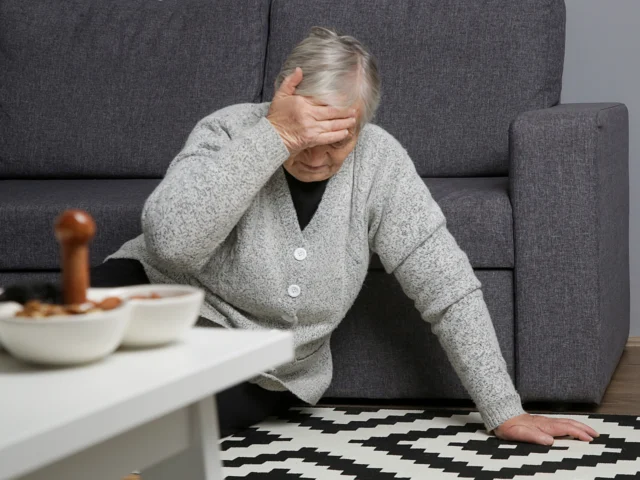
Creating a safer home isn’t about limiting independence. It’s about protecting it.
Whether you’re planning ahead or making adjustments for yourself or a loved one, a thoughtful home fall prevention checklist can make everyday movement easier, safer, and more confident. Falls are one of the most common causes of injury for older adults, but many risks come down to simple, fixable hazards.
With help from the CDC’s STEADI (Stopping Elderly Accidents, Deaths & Injuries) initiative, this room-by-room guide walks you through practical, realistic steps to reduce risk—without turning your home into something that feels clinical or restrictive.
Why Fall Prevention Matters for Aging in Place
Aging in place is about staying in a home you love on your terms. But that independence relies heavily on mobility, balance, and a safe environment.
Small obstacles—like poor lighting, loose rugs, or hard-to-reach storage—can quietly increase risk over time. When combined with changes in strength, balance, or energy, those everyday details matter more than ever.
The good news? Most tripping hazards can be addressed with straightforward adjustments that support:
- Daily confidence
- Safe movement throughout the home
- Long-term independence
Think of this as a proactive upgrade—not a reaction to a problem.
Floors: Clearing the Path
A clear, open path is one of the most effective ways to prevent falls at home.
What to Look For
- Furniture Placement: Arrange furniture to allow easy movement between rooms without tight turns or obstacles
- Tripping Hazards: Keep floors free of items like shoes, papers, books, or bags
- Area Rugs: Remove rugs when possible, or secure them with non-slip mats or double-sided tape
- Wire Management: Keep cords and cables tucked along walls and out of walkways
Why It Matters
Even minor obstacles can disrupt balance—especially when moving quickly or carrying items. A clean, predictable walking path reduces the chance of missteps.
Stairs and Steps (Indoors & Outdoors)
Stairs are one of the highest-risk areas in any home—but also one of the most manageable with the right setup.
Fall Prevention Checklist for Stairs
- Clutter-Free Zones: Never store items on stairs—even temporarily
- Structural Integrity: Repair loose, uneven, or damaged steps right away
- Lighting: Ensure bright lighting at both the top and bottom of stairs
- Light Switch Access: Install switches at both ends of the staircase
- Bulb Maintenance: Replace burned-out bulbs promptly
- Non-Slip Surfaces: Use secure carpeting or non-skid treads
- Handrails: Install sturdy handrails on both sides, running the full length
A Note on Daily Use
For many people, stairs become more challenging over time due to fatigue, joint stiffness, or balance changes. Reducing the number of times stairs need to be used—or adding solutions that minimize strain—can make a noticeable difference in daily comfort and safety.
Kitchen: Safe Accessibility
The kitchen is a high-use space, which makes accessibility just as important as safety.
Smart Adjustments
- Reach and Storage: Keep frequently used items at waist height to avoid bending or overreaching
- Step Stools: Use only stable step stools with a handhold—never chairs
- Clear Workspaces: Keep counters organized to avoid unnecessary reaching or shifting
Why It Matters
Overreaching, climbing, or rushing in the kitchen can increase fall risk. A well-organized space supports smoother, safer movement.
Bathrooms: Stability and Grip
Bathrooms combine water, smooth surfaces, and tight spaces—making them one of the most important areas for fall prevention.
Key Safety Upgrades
- Non-Slip Mats: Use non-slip mats or adhesive strips in tubs and showers
- Grab Bars and Handrails: Install grab bars:
- Inside the shower or tub
- Next to the toilet
- Dry Surfaces: Keep floors as dry as possible
Why It Matters
Slippery surfaces reduce traction, and transitions (like stepping in or out of a tub) require balance. Adding support where it’s needed most helps maintain confidence and stability.
Bedrooms: Nighttime Safety
Falls don’t just happen during the day. Low lighting and fatigue can make nighttime movement more difficult.
Simple Improvements
- Bedside Lighting: Keep a lamp within easy reach of the bed
- Path to Bathroom: Use nightlights or motion sensors to illuminate the route
- Clear Walkways: Ensure the path from bed to bathroom is free of obstacles
Why It Matters
Reduced visibility increases the chance of tripping. Soft, consistent lighting makes nighttime movement safer without being disruptive.
Fall Prevention and Home Design: Looking at the Bigger Picture
As needs change, so should the home environment.
For many households, fall prevention evolves beyond small adjustments into broader accessibility planning. This might include:
- Reducing reliance on stairs
- Improving access between floors
- Creating smoother transitions throughout the home
Solutions like residential elevators are designed with everyday use in mind—offering a reliable, comfortable way to move between levels without the physical strain of stairs. Rather than reacting to mobility challenges, they support a more seamless and confident daily routine.
The goal isn’t to overhaul your home overnight—it’s to make thoughtful changes that support long-term independence.
Conclusion: Building a Safer, More Confident Home
A safer home doesn’t happen all at once—it’s built step by step.
By following a structured home fall prevention checklist, you can:
- Identify and remove common tripping hazards
- Improve lighting and visibility
- Add supportive features like grab bars and handrails
- Make everyday tasks more accessible
From simple fixes—like clearing pathways and adding nightlights—to larger upgrades that support movement throughout the home, each change contributes to a safer, more confident living environment.
And the best part? These changes don’t take away independence. They help protect it.
If you’re planning next steps, consider starting with high-impact updates first, then exploring long-term solutions that align with your lifestyle. You can also connect with local senior centers or review CDC resources for additional fall prevention strategies and mobility-focused programs.
Because a well-designed home doesn’t just look good—it supports you every step of the way. If you’re ready to explore residential elevators and learn more about some of the less complex and invasive brands (like the Pollock), contact a certified dealer in your area for a free consultation!
Interested in Becoming a Distributor?
If you are looking to expand your product offerings or trying to reach a new market, then the Pollock Residential Elevator could be perfect for you. Reach out to our team to learn more.