Elevator Maintenance: What’s Required for a Residential Elevator?
February 12, 2026
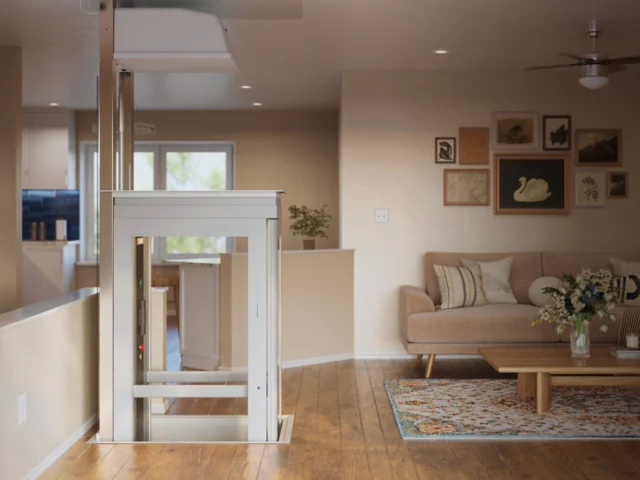
When families research a home lift, one question comes up quickly: How much maintenance does it actually require?
Understanding elevator preventive maintenance—and realistic elevator maintenance cost—helps homeowners plan with confidence. The good news? Modern residential elevators are engineered for reliability, especially machine-room-less (MRL) and self-supporting systems.
With routine annual service and light upkeep, most systems operate smoothly for years.
More importantly, a home elevator provides something uniquely reassuring:
If someone feels faint or fatigued, they’re inside a fully enclosed cabin with a handrail, where a spouse or caregiver can ride alongside them—not positioned above a staircase. So, while your residential elevator is here to help protect you, it’s important you return the favor and ensure all routine maintenance and cleaning are taken care of.
Why Maintenance Matters
Mobility needs often evolve gradually:
- Arthritis affecting endurance
- Balance changes
- Reduced strength late in the day
Preventative maintenance for residential lifts ensures dependable access every day — not just when everything feels “easy.”
Think of it less as repair and more as protection of your independence.
What Installers Check During Elevator Preventive Maintenance
Most residential elevator service visits include:
1. Battery Backup Health (Top Priority)
Battery systems allow the elevator to lower safely during a power outage.
Testing ensures batteries hold charge and respond properly.
Weak batteries are the most common — and easiest — maintenance issue.
2. Drive System Inspection
Depending on the model (screw drive, winding drum, etc.), technicians:
- Check lubrication
- Listen for unusual vibration
- Inspect motor connections
A dry screw drive may create a noticeable hum. Routine lubrication keeps operation smooth and quiet.
3. Controller & Electronics
Modern elevators contain control boards with cooling fans.
Technicians check for:
- Dust buildup
- Proper fan operation
- Clean sensor connections
This protects long-term reliability.
Hoistway & Floor Area Checks
Even pitless home elevator maintenance requires inspection at floor level.
Installers verify:
- Bottom “strike zone” is clear of dust or debris
- Limit switches operate correctly
- Rails are secure and aligned
For through-the-floor lift safety, pressure-sensitive pans are tested to ensure the cab stops instantly if it contacts an object below.
Doors, Gates & Interlocks
Door alignment is one of the most common residential service calls.
Technicians inspect:
- Landing door interlocks
- Hinge sagging
- Proper lock engagement
If a door isn’t perfectly aligned, the elevator won’t move — by design.
Cab Interior & Safety Systems
Inside the cab, maintenance includes:
- Cleaning photo-eye safety sensors
- Testing the emergency stop switch
- Confirming accurate floor leveling sensors
Small adjustments prevent overshooting, door delays, or nuisance stops.
What About Pneumatic Vacuum Elevators?
For homeowners researching vacuum models:
- Pneumatic Vacuum Elevator (PVE) care often includes monitoring vacuum pumps
- Vacuum elevator seal replacement may be required over time
- Seal integrity is critical for proper air pressure performance
Maintenance requirements vary by manufacturer and system type.
DIY vs. Professional Elevator Service
To ensure you’re doing your part to help protect your elevator, homeowners can:
- Keep floor areas clear
- Wipe door sensors
- Monitor unusual sounds
- Ensure any routine maintenance visits are scheduled
However, electrical testing, battery inspection, lubrication, and safety calibration should always be handled by professionals.
Professional service protects warranties and long-term safety.
How Much Does Maintenance Cost?
Elevator maintenance cost depends on:
- Usage frequency
- System type
- Service agreement level
Most homes require:
- Annual inspection
- Occasional battery replacement
- Minor lubrication adjustments
Because residential elevators operate at lower volumes than commercial units, wear is typically gradual and predictable.
Frequently Asked Questions
What happens during a power outage?
Battery backup lowers the cab safely to the nearest landing.
Why is it louder going up?
The motor works against gravity during ascent.
Is that “clunk” sound normal?
Yes—typically the brake engaging at a landing.
Do I need a service plan?
Annual professional service is strongly recommended.
One More Thought
A residential elevator is designed to be dependable — not demanding.
With routine elevator preventive maintenance, your system supports daily confidence, preserves independence, and allows families to move freely through their homes for years to come.
If you’re exploring installation and want clarity on long-term service expectations or are interested in learning more about purchasing a residential elevator, contact your local Pollock certified dealer today!
Interested in Becoming a Distributor?
If you are looking to expand your product offerings or trying to reach a new market, then the Pollock Residential Elevator could be perfect for you. Reach out to our team to learn more.