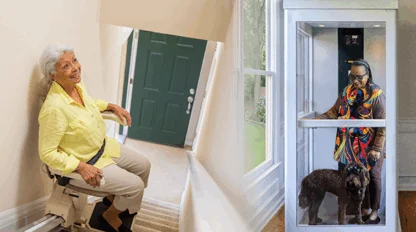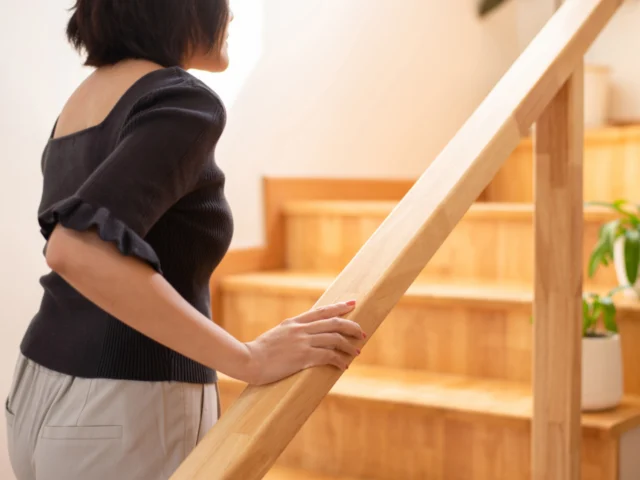
As more homeowners plan for long-term independence, the question becomes less about if accessibility matters — and more about when it should be addressed. For many adults and aging families, stairs that once felt routine can slowly become exhausting, painful, or even dangerous.
A home elevator can help reduce fall risks, improve comfort, and make it easier to remain in the home you already love. But it’s also a major investment, which naturally leads many people to wonder: Do I truly need one now, or can I continue managing with stairs and other mobility solutions?
The answer depends on several factors, including your mobility needs, your home’s layout, your long-term plans, and your budget. Today’s residential elevators — especially compact shaftless and pneumatic vacuum elevators — are also far more practical and retrofit-friendly than many homeowners realize.
Pollock Residential Elevators focuses on compact, shaftless home elevators designed specifically for existing homes. These systems prioritize safety, modern aesthetics, minimal construction disruption, and aging-in-place accessibility.
In this guide, we’ll explore:
- Whether a home elevator makes sense for your situation
- The differences between residential elevator types
- Pneumatic elevator installation costs and safety features
- Financing and payment options
- The pros and cons of installing an elevator versus staying with stairs
Key Factors to Consider Before Installing a Home Elevator
Deciding whether to install a home elevator is both a personal and practical decision. While some homeowners install elevators proactively for future planning, others begin exploring options after mobility challenges or fall concerns emerge.
Questions to Ask Yourself
| Factor | Questions to Consider |
| Mobility Needs | Are stairs becoming painful, exhausting, or unsafe? |
| Future Planning | Do you plan to age in place long term? |
| Home Layout | Is your home multi-story with limited first-floor living? |
| Budget | What upfront investment feels realistic? |
| Family Needs | Are caregivers or family members helping with mobility? |
| Service Support | Is there reliable local dealer support available? |
For many households, a residential elevator can help delay or avoid assisted living costs altogether. Pollock notes that the median assisted living cost is approximately $51,600 annually, making home accessibility improvements worth considering from both a lifestyle and financial perspective.
What Is a Shaftless Elevator?
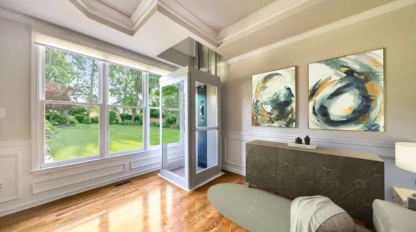
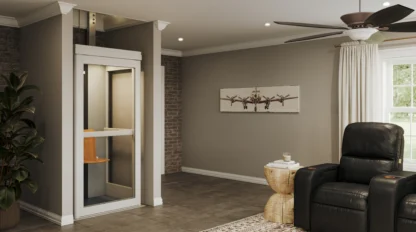
A shaftless elevator is a self-contained lift that travels through a cutout in the floor without requiring a traditional enclosed shaft or separate machine room. These systems are ideal for retrofits and homes with limited space.
Because they require less construction than traditional elevators, shaftless models are often a more practical option for existing homes.
Working with a certified local dealer is one of the best ways to evaluate whether your home is a good fit for a residential elevator solution.
Comparing Home Elevator Types
Not all residential elevators work the same way. Each option offers different benefits depending on your home, mobility needs, budget, and installation goals.
| Elevator Type | Footprint | Installation Disruption | Typical Capacity | Estimated Installed Cost |
| Shaftless Elevator (Pollock) | Compact | Minimal | 2–3 passengers | $30K–$50K |
| Traditional Shaft Elevator | Large | Significant | Higher capacity | $50K–$100K+ |
| Pneumatic/Vacuum Elevator | Compact cylindrical design | Moderate | 1–3 passengers | $40K–$65K+ |
| Vertical Platform Lift (VPL) | Moderate | Moderate | Wheelchair accessible | $15K–$40K |
| Stairlift | Minimal | Very low | Single rider | $3K–$15K |
What Is a Pneumatic Vacuum Elevator?
A pneumatic elevator (sometimes called a vacuum elevator) uses air pressure to move a cylindrical cab between floors. These systems do not require cables, counterweights, or a separate machine room.
Pneumatic elevators are popular for their sleek appearance and compact footprint, though they typically offer smaller capacities than many shaftless residential elevators.
Why Many Homeowners Choose Shaftless Elevators
Pollock shaftless residential elevators are designed specifically for retrofit applications and modern living spaces. Their compact footprint, rear-mounted rail system, and lack of an equipment room help minimize construction and preserve valuable square footage.
Pneumatic Vacuum Elevator Installation Cost Overview
One of the most common questions homeowners ask is: How much does a pneumatic elevator installation cost?
Residential pneumatic vacuum elevators commonly range from $40,000 to $65,000+ installed, depending on several factors, including:
- Number of floors served
- Home layout and retrofit complexity
- Custom finishes or upgraded features
- Electrical work requirements
- Permit and inspection costs
What Impacts Installation Costs?
1. Number of Stops
More floors typically increase installation complexity and total project cost.
2. Structural Conditions
Existing home layouts influence how easily the elevator can be integrated.
3. Customization
Premium finishes, lighting, or upgraded cabin features can raise pricing.
4. Electrical Requirements
Some systems require additional electrical work or dedicated circuits.
Typical Installation Process
Most residential elevator projects follow a similar process:
- Home assessment and measurements
- Design and model selection
- Permit approvals
- Floor opening preparation
- Elevator installation
- Final inspections and testing
Compared to traditional shaft elevators, pneumatic and shaftless systems generally involve less structural work and shorter installation timelines.
Essential Safety Features for Pneumatic Elevators
Safety is one of the most important considerations when evaluating any residential elevator system.
Modern pneumatic elevators and shaftless elevators include multiple fail-safe mechanisms designed to protect riders during operation and power outages.
Important Elevator Safety Features
- Emergency braking systems
- Battery lowering systems
- Door interlocks
- Sensor monitoring systems
- Emergency stop controls
- Overspeed protection
Pollock residential elevators include features such as battery lowering, overspeed brakes, and bottom tray/trapdoor sensors.
What Is an Overspeed Brake?
An overspeed brake is a mechanical safety device that automatically slows or stops the elevator if it begins descending too quickly.
Certifications Matter
When evaluating home elevators, homeowners should look for compliance with recognized industry standards such as:
- ASME A17.1 / CSA B44
- ETL certification
Routine maintenance and professional servicing also play a major role in long-term safety and reliability.
Financing Options for Pneumatic Elevator Installation
While residential elevators are a significant investment, many homeowners use financing solutions to make installation more manageable.
Common Financing Options
| Financing Method | Description |
| Traditional Financing | Monthly payment plans through dealers or lenders |
| Rent-to-Own | Install now with future ownership options |
| Home Equity Loans | Borrow against home equity |
| Reverse Mortgages | Financing option for qualifying older homeowners |
| Personal Loans | Flexible funding for accessibility improvements |
What Does “Rent-to-Own” Mean?
A rent-to-own arrangement allows homeowners to make recurring payments while using the elevator, with the option to purchase ownership later.
Many homeowners also compare elevator costs against assisted living expenses and relocation costs when evaluating long-term value.
Working with an authorized dealer can help homeowners identify financing programs that fit their budget and goals.
Pros and Cons of Installing a Home Elevator
Installing a residential elevator can dramatically improve accessibility and independence — but it’s important to evaluate both the advantages and limitations.
| Pros | Cons |
| Improved long-term accessibility | Higher upfront investment |
| Reduced fall risk | Ongoing maintenance costs |
| Greater aging-in-place flexibility | Some space limitations |
| Easier transport of laundry, groceries, and bulky items | Installation planning required |
| Increased home value potential | Weight/capacity limits vary by model |
| Minimal construction with shaftless models | Not every home layout is ideal |
Approximately 36 million older adults experience falls annually, with roughly 32,000 deaths resulting from falls each year.
For many families, the ability to remain safely at home outweighs the upfront installation costs.
When a Pollock Shaftless Residential Elevator Makes the Most Sense
A shaftless residential elevator is often an excellent solution when homeowners want accessibility without the major construction associated with traditional elevators.
Common Situations Where Shaftless Elevators Excel
- Progressive mobility challenges
- Long-term aging-in-place planning
- Multi-story homes without first-floor living
- Preserving open floorplans and aesthetics
- Retrofitting existing homes
- Reducing reliance on stairs without moving
Pollock shaftless elevators feature:
- Rear-mounted rails that preserve living space
- Quiet operation
- Advanced diagnostics
- Customizable finishes
- Strong safety certifications
- Rapid installation timelines
- Dealer support across all 50 states
- A practical 2-year parts and components warranty
For homeowners who want safety, convenience, and minimal home disruption, a shaftless residential elevator can offer an ideal balance of accessibility and modern design.
Frequently Asked Questions
How much space does a home elevator require in an existing home?
Most modern home elevators, including shaftless and pneumatic models, are compact enough to fit into unused corners or stair voids with minimal structural changes and no machine room requirements.
What is the typical installation timeline for a residential elevator?
Most residential elevator installations can typically be completed within a few weeks, depending on permits, construction requirements, and model selection.
Are home elevators safe for aging in place?
Yes. Modern residential elevators include multiple safety systems such as emergency brakes, battery backup lowering, interlocks, and sensor monitoring designed for long-term safe operation.
What additional costs are involved beyond the elevator itself?
Additional costs may include permits, electrical work, installation labor, structural modifications, inspections, and routine maintenance.
Can financing reduce the upfront cost of a home elevator?
Yes. Many homeowners use financing plans, rent-to-own arrangements, home equity loans, or accessibility funding solutions to spread costs over time.
Final Thoughts
Choosing whether to install a home elevator is ultimately about balancing safety, independence, comfort, and future planning.
For some homeowners, stairs remain manageable today — but planning ahead can help avoid rushed decisions later. For others, an elevator becomes a life-changing accessibility upgrade that makes daily living safer and more comfortable immediately.
Are you ready to learn more? Maybe speak with a professional? Contact us today for a free consultation to get the answers you need to enjoy home accessibility and comfort.
Interested in Becoming a Distributor?
If you are looking to expand your product offerings or trying to reach a new market, then the Pollock Residential Elevator could be perfect for you. Reach out to our team to learn more.