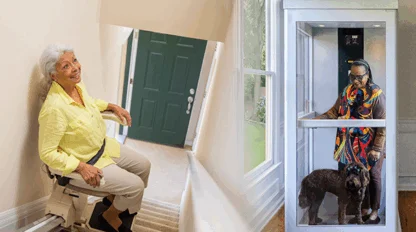
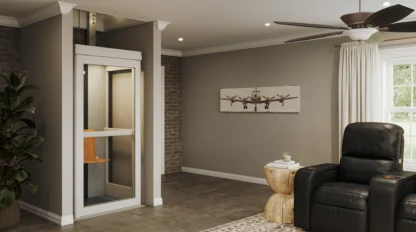
The average annual maintenance cost for a Pollock Home Elevator typically ranges from $300 to $650, depending on your chosen service agreement and specific model. If you are planning for aging in place, assisting a loved one as a caregiver, or transitioning from an older stairlift to a no-transfer wheelchair solution, understanding these ongoing expenses is a necessary step. Adapting your mobility aids is a completely normal part of life, and upgrading your home offers trade-offs. Pollock residential elevators provide a safe solution that eliminates the daily danger of carrying heavy groceries, laundry, and boxes up and down the stairs. Because they are intelligently designed for quick installation without major wall tear-outs, high-voltage wiring, or disruptive contractors, they keep your home functional while avoiding overwhelming effort and injury risks. We highly recommend scheduling a professional consultation to evaluate your space for the most accurate install and upkeep estimation, but for now, if you’re wondering: how much does residential elevator maintenance cost? read on.
Average Annual Home Elevator Maintenance Costs
The annual cost to maintain a home elevator comes down to many factors, and budgeting for routine upkeep is a practical way to protect your investment. Homeowners can typically choose between basic and comprehensive annual service plans, with basic preventive plans usually costing between $350 and $650 per year to cover scheduled labor and routine inspections.
Comprehensive plans, which generally include replacement parts and priority emergency service calls, often range from $800 to $1,200 annually. These offer predictable expenses and extra peace of mind.
Consistent care prevents unexpected breakdowns and keeps daily mobility easy. To keep your home elevator operating smoothly, manufacturers and technicians recommend one to two scheduled visits per year, depending on how frequently the unit is used. A standard annual service contract typically includes:
- Lubrication: Applying specialized lubricants to rails, cables, and moving parts to prevent friction and premature wear.
- Safety Checks: Testing emergency brakes, interlocks, and limit switches to ensure everything meets strict safety standards.
- Alignment: Inspecting door tracks and floor-leveling sensors so the cab stops flush with each landing, eliminating tripping hazards.
- Battery Testing: Checking backup batteries to verify the elevator can safely lower and open its doors during a power outage.
Key Factors Affecting Maintenance Costs
When it comes to home elevator maintenance costs, not every residential elevator requires the same level of upkeep, so your annual expenses will vary based on your home’s setup and daily routine. Understanding these variables helps you weigh your options and choose a maintenance plan that fits your household’s budget without unexpected surprises.
- Elevator Drive Type: Hydraulic models require regular fluid checks and seal inspections, while traction (cable-driven) systems need periodic cable and pulley evaluations. Vacuum or pneumatic elevators have fewer moving parts, though their specialized seals still require routine care.
- Usage Frequency and Age: Newer elevators typically benefit from manufacturer warranties and minimal wear. However, older models (or units relied upon multiple times daily for mobility devices and heavy household loads) naturally require more frequent component replacements.
- Number of Stops and Capacity: Multi-floor systems with higher weight capacities and three or more stops involve extra doors, interlocks, and heavier-duty hardware, requiring more thorough mechanical inspections than standard two-stop units.
- Service Agreement Level: Choosing a basic inspection-only plan keeps upfront annual costs low, whereas a comprehensive agreement carries a higher yearly fee in exchange for covering replacement parts and priority emergency calls.
Additional and Hidden Costs to Consider
Beyond a standard residential elevator service cost contract, budgeting for a residential elevator means accounting for occasional additional and hidden expenses. Depending on where you live, your local government or municipality may require periodic safety inspections and official operating certifications, which typically carry modest administrative fees ranging from $75 to $200. As your elevator ages past its initial warranty window, normal wear and tear will also eventually require out-of-warranty repairs for common replacement parts such as sensitive door sensors, worn hydraulic or pneumatic seals, and backup batteries that keep the cab running safely during a power outage.
If an unexpected malfunction prevents a wheelchair user or caregiver from moving heavy laundry or mobility aids between floors outside of normal business hours, requesting an on-call technician for weekend or after-hours breakdowns often incurs premium emergency service rates unless covered by a comprehensive plan.
Is an Annual Maintenance Plan Worth It?
Skipping routine maintenance introduces significant risks, including premature mechanical failure, hidden safety hazards, and voided manufacturer warranties. For a wheelchair user or caregiver relying on a residential elevator to move effortlessly between floors or to safely transport heavy laundry, groceries, and luggage without risking a fall on the stairs, an unexpected breakdown disrupts daily independence. Looking at the positives and negatives of spending a few hundred dollars a year on preventive upkeep routinely saves homeowners thousands of dollars in emergency repair bills down the road. Catching a frayed cable, misaligned door interlock, or weakening backup battery early prevents catastrophic component failure and extends the overall lifespan of your elevator.
An annual maintenance plan keeps your budget predictable and ensures your home remains safe, accessible, and functional. If you are unsure which level of coverage makes sense for your household’s daily usage, scheduling a consultation with a certified technician can help you weigh your options.
Simple Maintenance Tips for Homeowners
While certified technicians handle complex mechanical servicing, homeowners and caregivers can perform simple monthly visual and operational checks to keep a residential elevator running smoothly between annual visits. Take a few minutes each month to test door safety sensors, verify that interior light indicators and emergency call buttons function properly, and observe whether the cab starts and stops smoothly without unusual noises or hesitation.
Keeping the cab floor and lower landing or pit area clean and clear of dust, pet hair, and stray debris prevents obstructions that can interfere with sensors and tracks, especially when frequently transporting mobility scooters, wheelchairs, or laundry baskets between floors. Knowing when to call a professional versus handling basic homeowner upkeep is important for your safety and warranty protection. Wiping down interior panels, vacuuming floor tracks, and clearing loose clutter are safe habits, whereas grinding sounds, jerky movements, door alignment issues, or flickering warning lights require immediate evaluation from a licensed technician rather than DIY troubleshooting.
Final Checklist: Choosing the Right Home Elevator
Whether you are planning for aging in place, helping a loved one move beyond a stairlift, or eliminating the daily risk of hauling heavy objects upstairs, transitioning to a residential elevator becomes much easier when you break the decision into clear, practical steps:
- Safety Checks: Confirm essential protections like battery backup lowering, door interlocks, and obstruction sensors to ensure no-transfer wheelchair or scooter access.
- Space Verification: Look for smart designs that install quickly without major wall tear-outs, high-voltage wiring, or disruptive contractors.
- Drive Selection: Compare traction, hydraulic, and pneumatic systems to match your home’s layout, noise preferences, and everyday household load requirements.
- Budget Planning: Factor both upfront installation and roughly $300 to $1,200 in routine annual maintenance into your long-term budget so you never face unexpected surprises.
Every home and mobility journey is unique, and weighing the trade-offs is the best way to make a confident choice. To see how a residential lift can fit your specific floor plan and lifestyle, schedule a professional site assessment or request a customized quote.
Interested in Becoming a Distributor?
If you are looking to expand your product offerings or trying to reach a new market, then the Pollock Residential Elevator could be perfect for you. Reach out to our team to learn more.