Independence is a cornerstone of quality of life as we age. For older adults, feeling capable and secure at home supports not only physical safety, but also emotional well-being, confidence, and dignity. When a home environment removes barriers instead of creating them, seniors are better able to stay active, socially connected, and engaged in daily life.
For families planning ahead—or responding to early mobility challenges—supporting independence at home is one of the most meaningful investments they can make.
The Link Between Independence and Quality of Life
Many older adults want to remain in the homes they love for as long as possible. However, everyday activities such as using stairs, carrying laundry between floors, or moving safely from room to room can become increasingly difficult over time.
When these tasks feel risky or exhausting, independence can start to feel out of reach. Creating a home that supports safe, comfortable movement helps seniors maintain:
- Familiar routines
- Confidence in daily living
- Emotional stability
- A sense of control over their environment
A thoughtfully designed home allows seniors to focus on living—not navigating obstacles.
Key Benefits of Independence for Seniors
Confidence
When seniors know their home supports safe movement between levels, anxiety around falls and injury decreases. Confidence grows when everyday tasks feel manageable and predictable.
Safety
Accessible home design plays a critical role in fall prevention for seniors. Improved lighting, clear pathways, and mobility solutions reduce risk while allowing seniors to move freely.
Routine
Maintaining daily routines—morning habits, household tasks, and personal care—supports both mental and physical health. Independence makes consistency possible.
Dignity
Independence preserves dignity. Being able to move through one’s home without relying on constant assistance reinforces identity, autonomy, and self-respect.
Independence Benefits Families and Caregivers Too
Supporting independence is not only beneficial for seniors—it also reduces stress for adult children and caregivers. When a home is designed with safety and accessibility in mind, families can shift their focus from constant supervision to meaningful connection.
Thoughtful home accessibility helps:
- Reduce caregiver worry
- Prevent emergency situations
- Support proactive, long-term planning
- Encourage healthier family dynamics
Independence creates peace of mind for everyone involved.
Cracking Those Myths: Independence and Support Are Not Opposites
One of the most common myths around aging is that accepting help or home modifications means giving up independence. In reality, the opposite is often true.
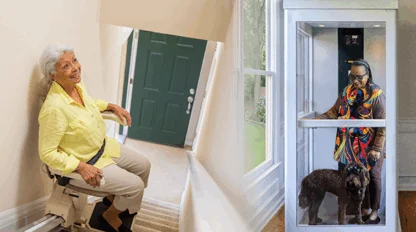
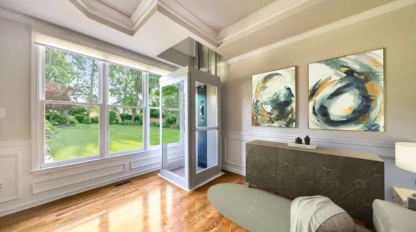
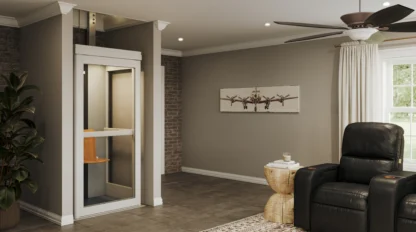
Accessibility solutions such as residential elevators, improved home layouts, and safety enhancements extend independence by removing physical barriers. These tools allow seniors to continue living in multi-level homes while maintaining control, comfort, and confidence.
Support doesn’t replace independence—it protects it.
Implementing an Independence Plan
Planning ahead allows families to make thoughtful, informed decisions instead of reacting during a crisis. An independence plan creates a clear path forward and evolves as needs change.
Step-by-Step Independence Planning
- Assess daily challenges
Identify tasks that feel difficult, such as climbing stairs, moving between floors, or carrying items. - Identify risk areas in the home
Look for hazards like stairs without support, poor lighting, narrow pathways, or uneven flooring. - Prioritize improvements
Focus first on the most frequently used spaces and areas that pose the highest risk. - Start with small changes
Simple updates can deliver immediate safety benefits while preparing for future upgrades. - Schedule a professional home assessment
A professional evaluation can help determine the best long-term accessibility solutions for the home.
An Independence Plan for Different Budgets
Supporting senior independence doesn’t have to happen all at once. Many families choose to make improvements gradually based on needs and budget.
Basic Safety Changes
- Improved lighting throughout the home
- Non-slip surfaces and grab bars in key areas
- Decluttering and furniture adjustments to create clear pathways
Moderate Accessibility Upgrades
- Entryway and doorway modifications
- Bathroom accessibility improvements
- Layout changes to reduce unnecessary stair use
Full Accessibility Solutions
- Residential home elevators for seamless multi-level access
- Comprehensive mobility planning
- Long-term aging-in-place home design
Each step builds on the last—strengthening independence over time.
Supporting Long-Term Independence at Home
Independence is not a single decision—it’s an ongoing process. As mobility needs change, homes can evolve to provide continued safety, comfort, and confidence.
By planning ahead and investing in accessibility solutions that remove barriers between floors, older adults can continue to enjoy their homes without compromise. For families, this approach offers reassurance that independence is being supported both today and in the years ahead.
When homes are designed for movement, independence doesn’t diminish with age—it adapts. To speak with a local, certified Pollock Residential Elevator Dealer, check out our contact form today!
Interested in Becoming a Distributor?
If you are looking to expand your product offerings or trying to reach a new market, then the Pollock Residential Elevator could be perfect for you. Reach out to our team to learn more.