As more Baby Boomers enter the senior population, an increasing number are choosing to age in place rather than downsize or move to assisted living. Remaining in the comfort of your home is an empowering choice—but it also requires planning for accessibility and safety. After all, one fall can change everything.
There are many home accessibility solutions available—stairlifts, ramps, platform lifts—but one of the most versatile is a residential elevator. While some may assume home elevators are expensive or impractical, modern designs are compact, stylish, and surprisingly affordable. Here are five ways residential elevators support aging in place.
1. Improved Mobility and Reduced Fall Risks
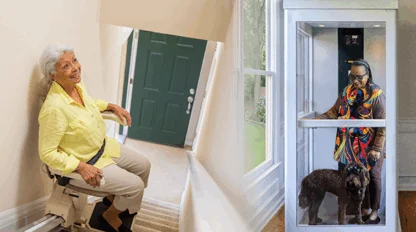
Stairs are one of the most common places for falls at home. By installing a home elevator, you remove the need to climb stairs altogether. This reduces physical strain, prevents accidents, and makes moving between floors safe and effortless—especially for those with limited mobility.
2. Future-Proofing Your Home
Mobility needs can change quickly due to illness, injury, or age-related conditions. Residential elevators can accommodate both users and mobility devices like walkers, rollators, or wheelchairs, ensuring your home adapts to your needs as they evolve. Future-proofing your home today helps protect your independence tomorrow.
3. Convenient Transport Beyond People
A residential elevator isn’t just for carrying people—it’s also ideal for transporting groceries, laundry baskets, luggage, or pet carriers safely between floors. With spacious cabins and greater weight capacity than stairlifts, elevators make everyday household tasks safer and easier.
4. Peace of Mind for Caregivers
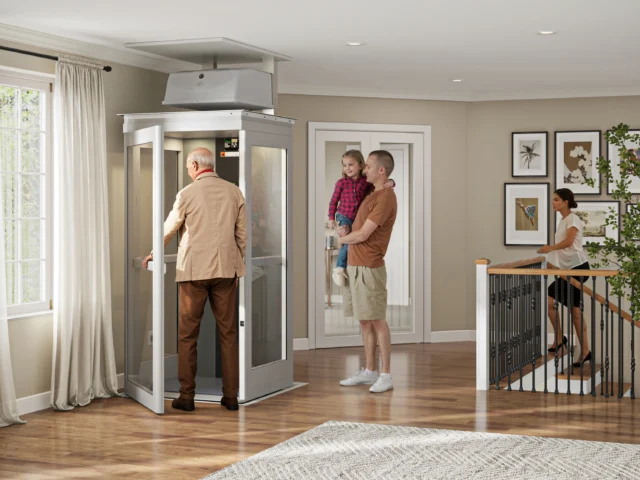
For caregivers and loved ones, a home elevator provides relief from constant worry about stair-related accidents. Elevators allow for dual transport, meaning a caregiver can ride with the user, and they also make moving heavy or bulky items much less stressful. The result: greater safety for the user and less physical strain for the caregiver.
5. A Comfortable, Stylish Alternative to Stairlifts
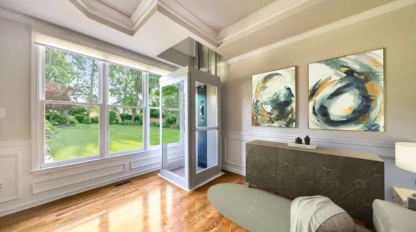
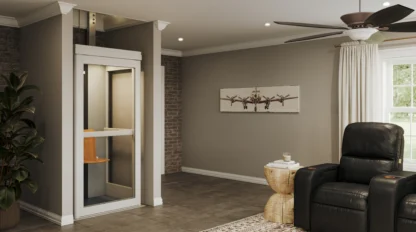
While stairlifts are a good option for some, they can feel restrictive. Residential elevators offer a sleeker, more comfortable solution that also adds value to your home. Models like the shaftless Pollock Residential Elevator can be installed in as little space as a closet corner while providing enough room for multiple riders, bulky items, or mobility equipment.
The Bottom Line: Safe, Independent Living at Home
Falls are a leading cause of injury among older adults, but they’re preventable. Installing a residential elevator makes your home safer, more accessible, and more future-ready. Whether you’re planning ahead or addressing current mobility challenges, a home elevator is more than a convenience—it’s an investment in independence, safety, and peace of mind.
Ready to explore your options? Contact us today to learn how a residential elevator can help you age in place with confidence or read more about the benefits of home lifts on our Elevator Buyer’s Guide.
Interested in Becoming a Distributor?
If you are looking to expand your product offerings or trying to reach a new market, then the Pollock Residential Elevator could be perfect for you. Reach out to our team to learn more.